









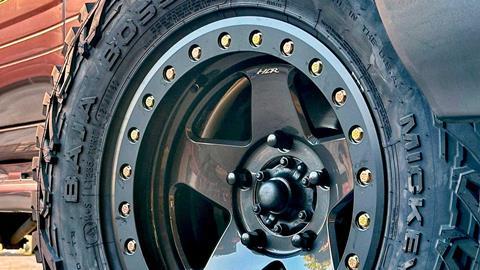
Beadlock wheels (also called beadlock rims) mechanically clamp tire beads to the wheel, allowing overlanders to safely run lower pressures for improved traction on challenging terrain. Unlike standard wheels, true mechanical beadlocks prevent tire bead separation during low-pressure rock crawling and technical off-roading. While they offer significant performance advantages over conventional wheels, these specialized rims come with higher costs, added weight, maintenance requirements, and potential legal restrictions. Here’s everything you need to know about beadlock wheel installation, safety concerns, and distinguishing genuine beadlocks from aesthetic imitations.
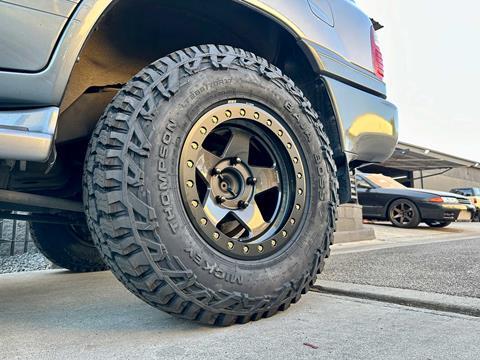
These specialized wheels are designed to enhance the performance and safety of vehicles tackling rugged terrains. Let’s delve into what beadlock wheels are, why they’re used, their advantages, disadvantages and safety concerns to keep in mind when using them.
What Are Beadlock Wheels?
Beadlock wheels are designed to secure the tire’s bead to the wheel, preventing it from unseating under extreme conditions.
Unlike conventional wheels, where the tire’s bead relies solely on air pressure to stay in place, beadlock wheels mechanically clamp the bead between the wheel and a locking ring, ensuring it remains secure even when tire pressure is significantly reduced.
The key difference between beadlock wheels and standard wheels lies in this mechanical clamping system. Traditional wheels rely entirely on air pressure and friction to keep the tire bead seated, which becomes problematic when airing down for off-road traction.
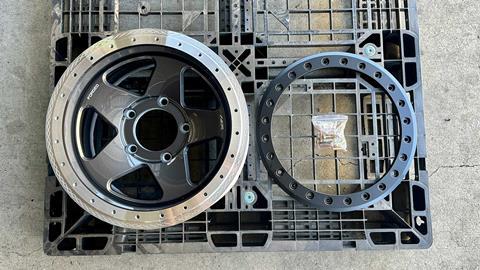
This design is particularly beneficial in off-road scenarios where low tire pressure is often employed to increase the contact patch and improve traction. Without beadlocks, there’s a risk of the tire bead popping off the wheel, which can lead to rapid deflation and potential loss of control.
Professional Beadlock Wheel Installation: Step-by-Step Process
We had these beadlocks installed by the experts at RPM Offroad Garage. Here are some highlights from the installation process. Installation should be done by a professional using specialized equipment.
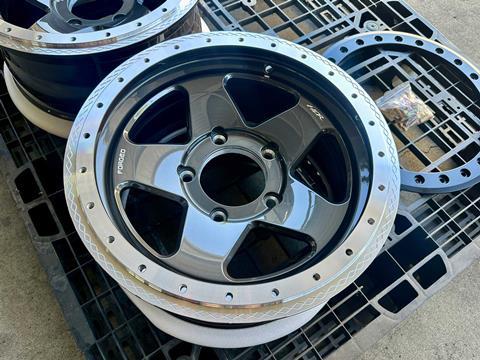
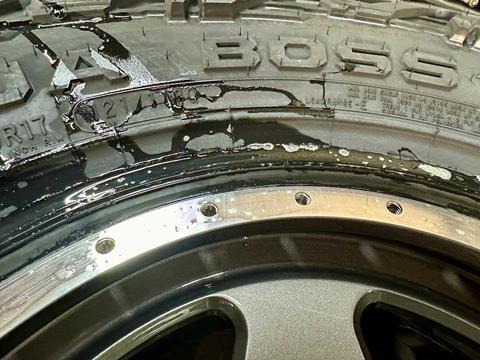
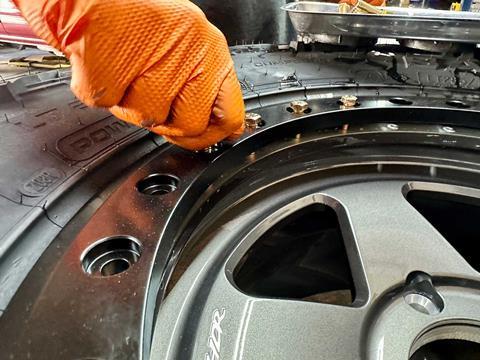
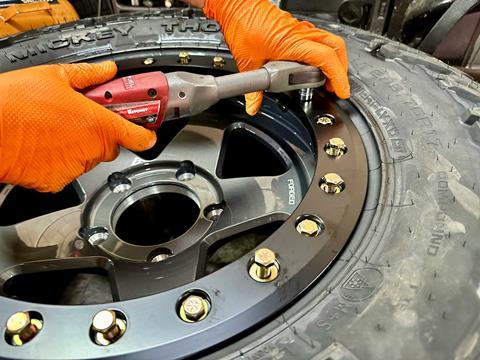
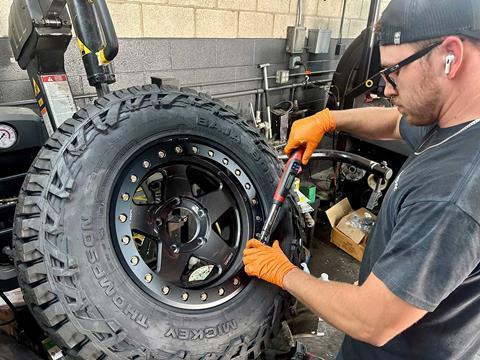
Real vs. Fake: Identifying Genuine Beadlock Wheels
When shopping for beadlock wheels, understanding the difference between true mechanical beadlocks and beadlock-style wheels is critical. Many wheels marketed with a ‘beadlock look’ or ‘beadlock style’ design offer no functional bead retention.
To differentiate between a true beadlock wheel and a beadlock look wheel, you can start by closely examining the bolts and the beadlock ring.
A genuine beadlock wheel features a functional beadlock ring with bolts that pass through the ring and into the wheel, securing the tire’s bead firmly in place. These bolts are arranged around the outer edge of the wheel, and they play an essential role in mechanically locking the tire bead to the wheel.
In contrast, a beadlock look wheel, which is designed to mimic the appearance of a beadlock, will have decorative bolts or a non-functional ring that does not actually secure the tire bead. In these imitation beadlock wheels, the ring is usually just part of the wheel’s design and does not perform any mechanical function.
Additionally, on a true beadlock wheel, the ring is often removable and can be replaced or serviced, whereas on a beadlock look wheel, the ring is typically fixed and purely aesthetic.
Benefits of Beadlock Wheels for Overlanding
Enhanced Traction
Off-road enthusiasts often reduce tire pressure to increase traction on loose or uneven surfaces. Beadlock wheels allow for lower tire pressures without the risk of the bead unseating from the wheel, providing better grip in challenging conditions.
Increased Safety
When navigating rugged terrain, the last thing you want is for a tire to come off the wheel. Beadlock wheels significantly reduce this risk, enhancing safety during extreme off-roading.
Improved Performance
By enabling lower tire pressures, beadlock wheels allow your vehicle to better conform to the terrain, offering a smoother ride and improved performance in rocky, sandy, or muddy environments.
Customization
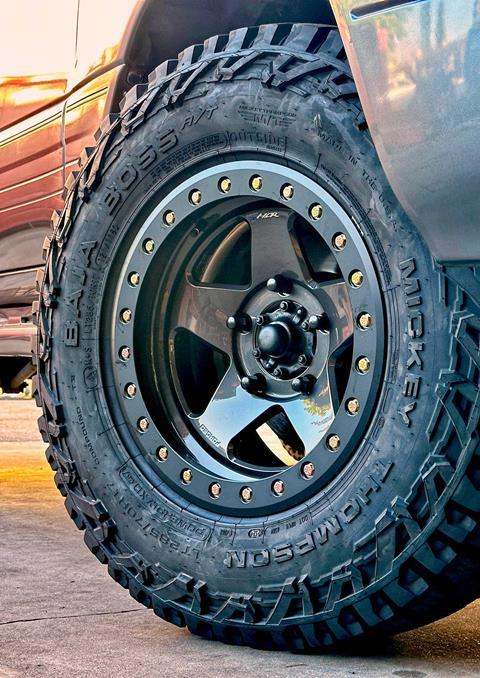
Beadlock wheels are often available in a variety of styles and finishes, allowing you to customize your vehicle’s appearance while also upgrading its off-road capabilities. The HDR Race Wheels Forged Beadlock wheels featured in this article, paired with the Mickey Thompson Baja Boss A/T tires, offer a striking example of both form and function.
Beadlock Wheel Drawbacks and Considerations
While beadlock wheels offer significant advantages, they are not without drawbacks.
- Cost: Beadlock wheels are typically more expensive than conventional wheels, both in terms of the initial purchase price and ongoing maintenance costs. The intricate design and additional components contribute to this increased cost.
- Weight: The added hardware required to secure the beadlock ring makes these wheels heavier than standard options. This extra weight can impact your vehicle’s fuel efficiency and handling characteristics on paved roads.
- Maintenance: Beadlock wheels require more frequent inspection and maintenance. The bolts securing the beadlock ring need to be torqued to the correct specifications, and this should be checked regularly, especially after extended off-road use.
- Legality: In some regions, beadlock wheels may not be street-legal. This is due to concerns about their safety on highways, where the risk of bolt failure or improper installation could lead to accidents. Always check local regulations before installing beadlock wheels on a vehicle that will be driven on public roads.
Street Legality and DOT Compliance
In the United States, beadlock wheels are generally not DOT-approved for street use, though enforcement varies by state. The primary concern centers on the potential for bolt failure or improper installation on public highways.
Some manufacturers offer DOT-compliant beadlock designs, but these are less common. Before installing beadlock rims on a daily-driven overland vehicle, research your state’s specific regulations and consider whether dual-purpose wheels might better suit your needs.
Many overlanders reserve beadlock-equipped wheels for dedicated trail rigs or swap them only for extended off-road expeditions.
Beadlock Wheel Safety: Installation and Maintenance Best Practices
When it comes to beadlock wheels, safety is a paramount concern, as improper installation or maintenance can lead to serious issues. Proper beadlock wheel maintenance is non-negotiable for safe operation. Because these wheels depend on mechanical fasteners rather than air pressure alone, regular inspection and correct torque specifications are critical.
One of the most critical aspects is ensuring that the bolts on a beadlock wheel are torqued to the manufacturer’s specifications. Over-torquing can strip the threads or damage the wheel, while under-torquing may result in the bead not being securely clamped, which increases the risk of tire separation. Regular inspection of the beadlock ring and bolts is also essential; signs of wear, corrosion, or loosening should be addressed immediately to prevent potential failure during use.
Additionally, while beadlock wheels allow for lower tire pressures, it’s important not to go too low, as this can increase the risk of sidewall damage or wheel failure. Monitoring tire pressures closely, especially during off-road excursions, is vital.
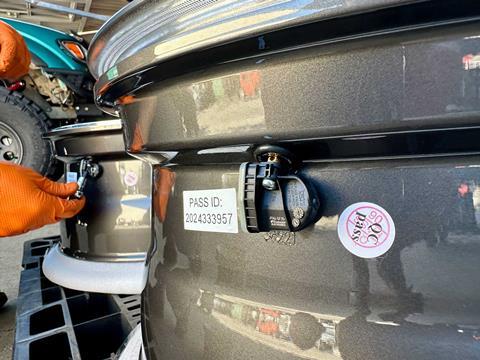
Lastly, the process of mounting a tire on a beadlock wheel requires precision and expertise. If you’re not experienced with this procedure, it’s advisable to have the installation performed by a professional to ensure safety and reliability.
Featured Products: HDR Race Wheels BL79 Forged Beadlocks
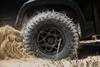
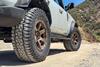
The wheels pictured in this article are HDR Race Wheels BL79 Forged Beadlocks. HDR developed the BL79 wheel to be both stylish and lightweight, addressing the common issue of added weight from off-road upgrades.
The BL79 features a classic 5-spoke design with a concave spoke profile tailored to severals offsets including, +0, -10 and -38 in 5- and 6-bolt patterns, each with its own distinct spoke profile, enhancing functionality and appearance.
Tire Selection: Mickey Thompson Baja Boss A/T Performance
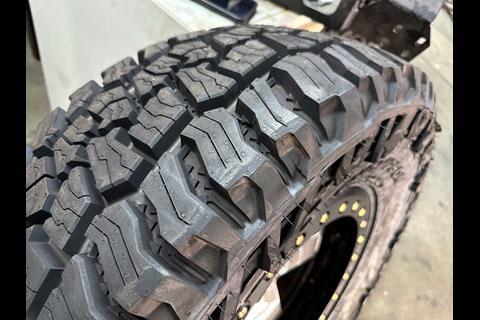
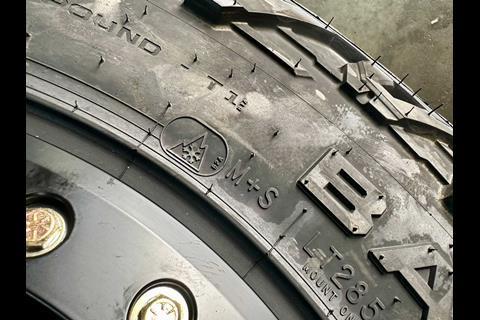
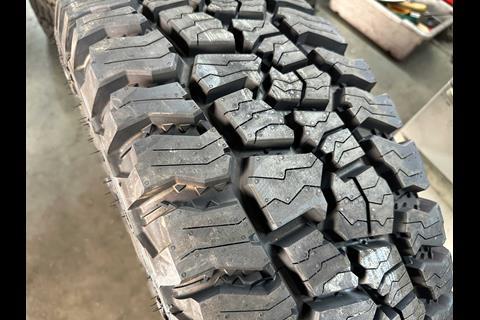
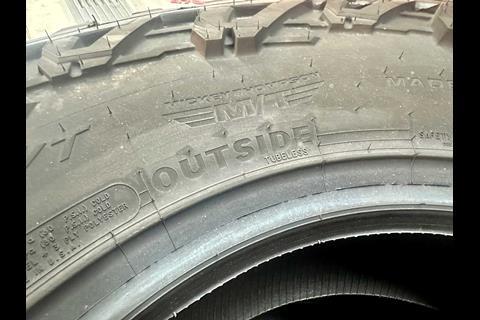
Mounted to the HDR wheels are a set of Mickey Thompson Baja Boss A/T tires. These tires were chosen for the many benefits that the Baja Boss A/T brings to an overland vehicle’s mission set.
Mickey Thompson’s most advanced hybrid all-terrain tire offers premium on-road performance, longevity, and low noise, while excelling in mud and snow with its innovative asymmetric tread design, silica-reinforced compound, and Extreme Sidebiter tire shoulders.
Beadlock Wheels vs. Standard Wheels: Making the Decision
For weekend overlanders who occasionally air down on maintained trails, standard wheels with proper tire pressure management may suffice. However, serious rock crawlers, expedition travelers, and those regularly navigating extreme terrain will find the investment in true beadlock wheels worthwhile.
Consider your typical terrain, frequency of low-pressure situations, and whether your vehicle sees street duty when deciding between beadlock and conventional wheel options.
Are Beadlock Wheels Right for Your Overland Vehicle?
Beadlock wheels offer substantial benefits for overlanders and off-road enthusiasts looking to push beyond what standard wheels allow. Compared to conventional rims, true mechanical beadlocks provide the ability to safely run lower tire pressures and dramatically improve traction in challenging conditions—making them an essential upgrade for those tackling seriously rugged terrain.
However, it’s important to be aware of the associated costs, maintenance requirements, and safety considerations. When properly installed and maintained, beadlock wheels can significantly enhance your off-road adventures, providing both performance and peace of mind.
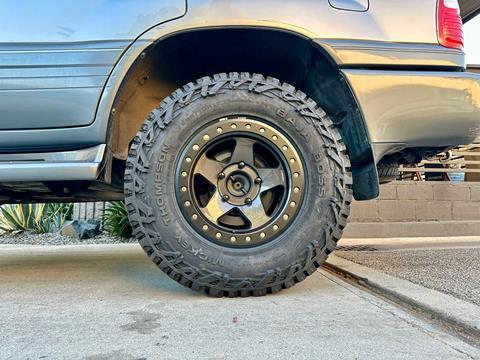
HDR Race Wheels BL79 Forged Beadlock
Size Shown: 17x9 Offset +0
Mickey Thompson Baja Boss A/T
Size Shown: LT285/70R17
Beadlock Wheel FAQs
Q: Are beadlock wheels street legal in the United States?
A: Most beadlock wheels are not DOT-approved for street use, though enforcement varies by state. Check your local regulations before installing beadlock rims on a street-driven vehicle.
Q: How often should I retorque beadlock wheel bolts?
A: Retorque after the first 100 miles, then check every 500-1,000 miles of off-road use or before major expeditions. Always follow manufacturer specifications.
Q: Can I install beadlock wheels myself?
A: While possible for experienced mechanics, professional installation is recommended to ensure proper torque specifications and safe bead seating.
Q: What’s the lowest tire pressure I can run with beadlock wheels?
A: Beadlock wheels safely allow pressures as low as 5-8 PSI for extreme rock crawling, though 10-15 PSI is more common for general off-road use. Always monitor for sidewall damage.
Q: What’s the difference between beadlock and beadlock-style wheels?
A: True beadlock wheels mechanically clamp the tire bead with functional bolts, while beadlock-style wheels only mimic the appearance with decorative, non-functional hardware
Access More Great Stories!
For more informative articles like this, consider subscribing to OVR Magazine in print or digital versions here. You can also find the print edition of OVR at your local newsstand by using our Magazine Finder.



No comments yet