






Driving through snow, ice, and sub-zero temperatures requires serious preparation. After decades of Midwestern winters and annual holiday treks from Oregon to Wisconsin, OVR’s Features Editor shares the essential winter travel tips that keep you safe when Old Man Winter turns brutal—from proper tires and battery maintenance to recovery gear that could save your life.
Wintertime travel can be brutal in parts of the world. But if you’re aiming to trek to cold places during winter, you need to make sure you’re prepared.
I lived in Minnesota and Wisconsin for nearly 30 years. These locales can have unforgiving winter travel conditions with snow, ice, and temperatures far below zero (not to mention windchills of -70°F!).
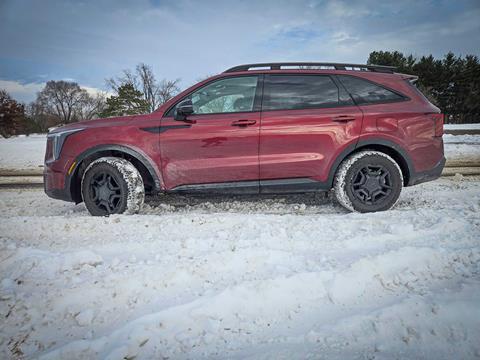
But each winter, my wife and fellow OVR Features Editor, Mercedes, drive from Oregon to Wisconsin and back for the holidays. We always prepare for worst case scenarios: breakdowns, getting stuck in a ditch, or arctic-like conditions. Let’s look at some winter travel tips to get you ready for cold-weather trips.
Good Tires Are a Must, Winter Tires Are Advised
As with most vehicle-based travel, having the right tires can make a big difference. The best tires you can get for temperatures under 45°F are dedicated winter tires. Their tread patterns and rubber compounds are designed to give the best cold-weather traction and grip on ice and snow.
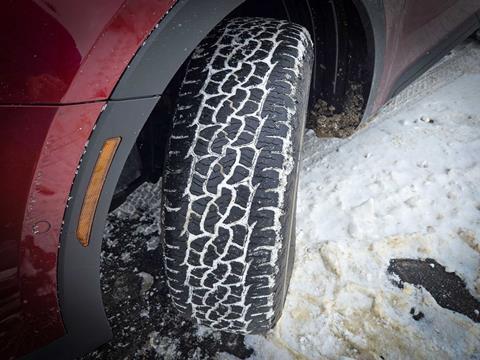
An all-weather or all-terrain tire with a three-peak mountain snowflake rating (3PMS) will be the next best thing. These are designed to provide improved winter traction versus standard all-season tires.
Speaking of, the next best would be all-season tires with a mud and snow (M+S) rating.
The worst choice would be summer tires which can get hard in cold weather and don’t have tread blocks for snow/ice.
No matter what your tire choice is, make sure you have plenty of tread left on your rubber. After all, bald snow tires won’t do anyone any favors.
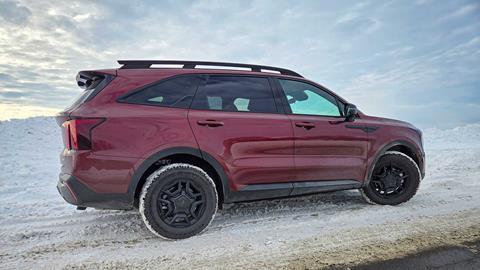
This Year’s Winter Transportation: Kia Sorento X-Pro SX Prestige
FYI, we drove an AWD 2025 Kia Sorento X-Pro SX Prestige back to Wisconsin this year, and it was on BFGoodrich Trail-Terrain tires, which performed admirably in the winter conditions we encountered.
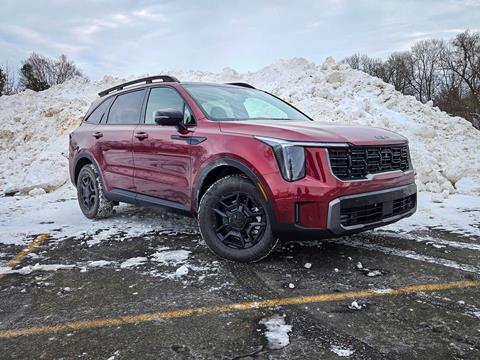
Not only that, but the vehicle was very comfortable with heated seats, a heated steering wheel, fog lamps, and other goodies that help in the cold. Making 281 horsepower and 311 lb.-ft. of torque, the Sorento X-Pro SX Prestige was a great all-weather cruiser.
This is a six-seater with a surefooted AWD system. Fold the rear seat down and there’s plenty of space for all our luggage and winter gear. This year, we had family in town from New Zealand.
We folded the rearmost seats up and were able to transport all six people around town. The vehicle has factory roof rails ready to take crossbar and a rack. However, we didn’t employ them. We almost threw on our Thule Motion 3 box, but we found we didn’t need the extra space.
This was my first experience with Sorento, and I was quite impressed with the power, comfort, and cold-weather capability. The MSRP was $50,395. The vehicle essentially carries over to 2026 without any major changes.
Check Your Battery
Your vehicle’s battery may behave differently in frigid conditions. Afterall, the colder it gets, the harder it can be to start your car. Before you venture out, make sure your rig’s battery is in tip-top shape.
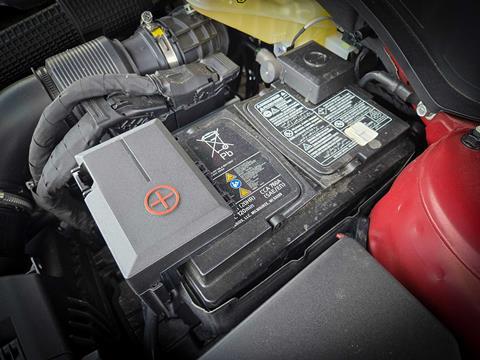
A weak battery paired with cold temps could mean a non-starting scenario. Before you leave, make sure your battery is fully charged. Put it on a charger to fully charge it if it’s not. If it’s time to replace it, do so before leaving for your trip.
Get a battery with as many cold-cranking amps (CCA) as you can, too. After all, no one wants to get stranded in foul weather because you can’t get your vehicle started. And in below-zero temps, it can even mean the difference between freezing and living.
Pro Tip: Carry jumper cables or a jump pack just in case your battery dies.
Test Your Coolant
Ensuring your vehicle has enough coolant is always important. Testing the coolant for cold-weather performance is essential. A coolant test gauge can be purchased for less than $5.00. It will show you what temperature your coolant is rated down to.
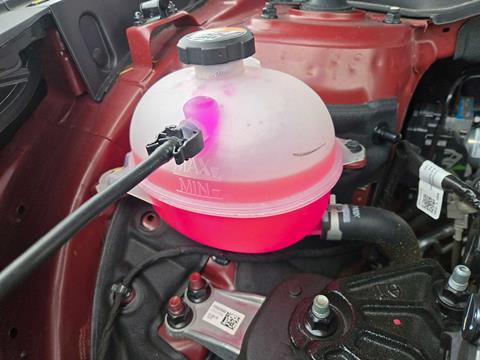
Depending on where you’re going, and how cold it’ll be, you can adjust your coolant/water mixture if needed. Both times we ran the winter Alcan 5000 Rally, we mixed the coolant differently than 50/50 to make sure our car could handle temps as cold as -50°F.
This is an easy-to-neglect point, but you’ll want all the warmth from the heater and cooling for the engine you can get if the temperatures plummet.
Get Proper Wiper Washer Fluid
This is another item many people don’t think about. If venturing into below-freezing temps with the wrong wiper fluid, your lines can freeze and can clog washer nozzles. If the lines don’t freeze, the fluid can freeze on contact when it hits your windshield, creating a frosty sheen that’s impossible to see through.
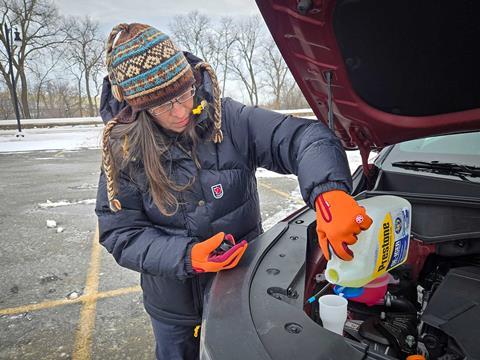
Wiper washer fluid has different temperature ratings. There are summer and winter blends with different temperature ratings. You don’t want wiper fluid that is only good to 32°F if you’re going somewhere where it’ll be 0°F. When in doubt, go for a rating as cold as possible. Otherwise, your wiper lines can freeze, preventing you from cleaning your windshield.
If you have summer-rated fluid in your wiper reservoir before leaving, siphon it out into a sealable bucket or jug. Then refill it with colder-rated rated fluid.
Admittedly, I didn’t do this over the holidays, and our Sorento’s wiper lines froze somewhere in Nebraska. I eventually bought fluid good down to -34°F, and began mixing it, eventually filling the reservoir with the right stuff.
Carry Basic Recovery Gear
You never know when you might end up in a snowy ditch, or when someone else may either. I heartily recommend carrying basic vehicle recovery gear.
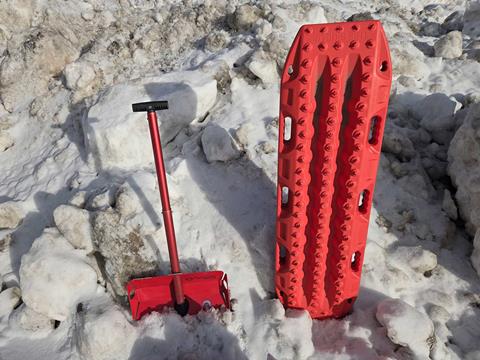
This includes a shovel, a kinetic recovery strap, a couple of shackles, and a static tow strap. You’ll be ready to be pulled out (or to pull someone else out) if you get stuck. We personally also travel with recovery boards, like MAXTRAX.
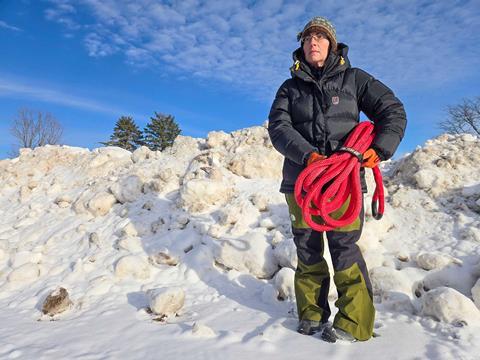
Midwestern Motorist Tip: You can always put your floor mats under the wheels for traction in a pinch if you get stuck. However, your success may vary.
Other Winter Travel Accessories
Other things to throw in your rig for cold-weather travel may include a blanket, tire chains (if your state allows them or if they’re required for mountain passes), a basic tool kit, and extra wiper fluid.
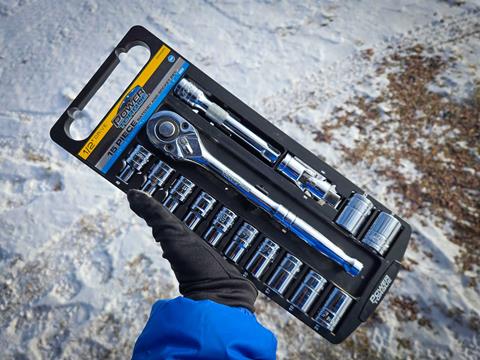
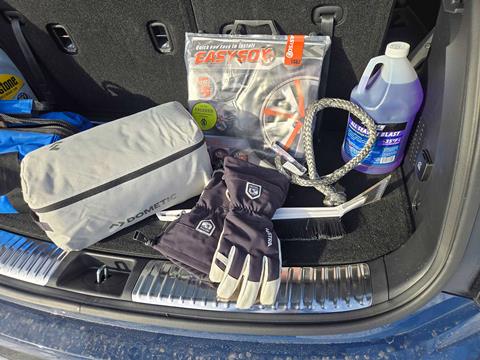
A first-aid kit is also a great idea. You can also throw in your satellite communicator device, such as a Garmin inReach, in case you end up mired without cell service and need emergency help.
Additionally, don’t forget the basics: an ice scraper, warm gloves, a warm hat, winter boots, extra food, and water in something that won’t freeze (like a thermos). If you get stranded, you may need to go into survival mode in the worst of the worst cases. Be prepared.
Prepare Like You May Need to Walk Out Of It
My late father, Jim, used to always tell me about winter travel: Prepare like you need to walk out of it. Always think about the worst-case scenario. If you had to stay put for hours (or longer), or needed to be outside exposed to the elements, be ready if you’re going toe-to-toe with Old Man Winter.
Whether it’s a blizzard in the Dakotas, snowy mountain passes in Colorado, below-zero temps in the northeast, or freezing weather anywhere in the world, being ready for cold-weather trips is important. It might even mean survival.
Stay Up to Date With the OVR Trailhead Newsletter
The OVR Trailhead brings you relevant vehicle-based adventure stories and offers direct to your inbox. Join the OVR community today!



No comments yet