



From vintage mountain bikes to modern e-bikes, two-wheeled micro-mobility is redefining overlanding exploration. Discover why bikes are becoming essential trail tools, which models work best for your setup, and how to mount them for maximum adventure reach.
Overlanding has always been about pushing farther with what you have. The essence of adventure is embedded in using the gear you have to help you explore deeper. That idea is what pulled me down the rabbit hole of vintage mountain bikes earlier this year.
I became obsessed with these retro machines and their unique, old-school frame geometry, no-nonsense components (weight be damned). The way they were engineered to outlast, to take a beating without any fancy electronics or complicated upkeep, they seemed like a match made in heaven for a sustainable overland companion. They are extremely easy to find on used marketplaces, so why not try to breathe life back into the early conquerors of Marin County?
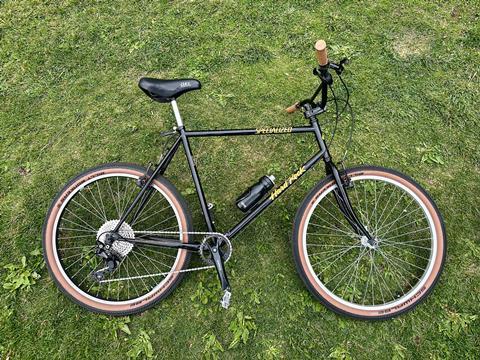
As luck would have it, I struck gold finding a rust-free 1992 Specialized Hardrock Ultra in black, still dawning its yellow and purple decals. A time capsule from the early 90s waiting to be revived, I spent the following months searching for compatible parts and shaping my take on a “MTBMX” build, a cross between a cruiser and an off-road savant, a do-it-all bike without doing any one thing particularly well. As the build process ensued, it quickly reminded me why bikes matter so much in this overlanding space.
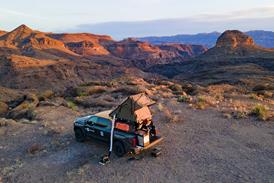
Because here’s the truth: once you level your rig at camp, deploy the awning, and pop up that rooftop tent, the last thing you want to do is strike camp just to check out a nearby trail, lake, or small town that brought you to that area in the first place. A bike solves that instantly and it doesn’t have to be the newest model on the market. Sometimes the perfect adventure tool is the neglected bike hanging in the rafters of your garage or sitting in your shed, waiting for a little chain lube and a second chance at life.
Outfitting your rig with a bike unlocks another echelon of exploration. You gain the convenience of scouting trails, fetching supplies from a neighboring town, or exploring off-shoot roads that may be too skinny for your full-size rig, without having to move camp. Campsites are becoming basecamps, not final destinations and as brands continue integrating bike mounting solutions into their ecosystems, we’re seeing a natural crossover between bikepacking and overlanding culture.
Bikes are one of the easiest ways to achieve that sense of freedom, regardless of your age. They were your first wheels in your adolescence–your key to exploration as a kid–and that type of feeling is something I’ve been chasing ever since. As rigs continue to get bigger, more elaborate, the best adventures can still happen once you get outside, exploring under your own power. Micro-mobility, whether it’s a modern e-bike, a pedal-assist MTB, or a rebuilt vintage classic, are becoming an essential complement for anyone looking to extend the reach and versatility of their overlanding setup.
Breaking Down The Options: What’s Best For Your Setup?
If you don’t have the itch to revive a 90s legend, hunting down one bike part at a time, or a forgotten bike sitting at home waiting for you, there are plenty of great new options on the market across a range of prices and capabilities.
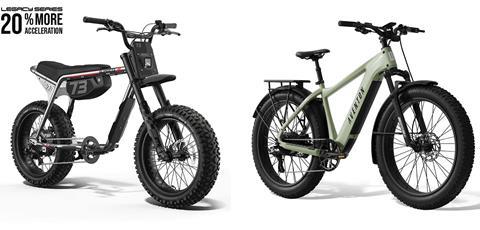
Choosing the right bike for your setup starts with understanding your end goal. Full powered e-bikes are great for covering long distances with increased range in huge part thanks to modern batteries, making exploring with minimal physical toll easier after long days driving.
Their downfall is their weight, they are obviously going to be heavier than any traditional mountain bike, requiring a power management system to charge, whether that be a portable battery, inverter, or solar set up.
Some great options in this category include the SUPER73-Z Adventure Series Core “The Side-Quester” and Aventon Aventure 3 Ebike. Both are built for mixed terrain, and their suspension, strong motors, and long range make them excellent choices for extending your exploration. Ultimately, it comes down to personal preference regarding each bike’s unique frame geometry and the ride experience you’re seeking on road and e-bike friendly trails.
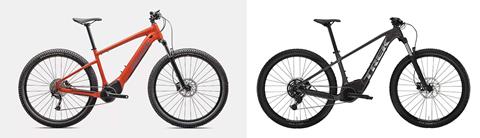
Another route would be hunting down the right pedal-assist mountain bike, a great option for people who want to experience a real mountain bike feel with a boost of pedal assist when needed. Some benefits are that these setups are lighter than standard e-bikes, while still being extremely capable and more agile in the backcountry.
A few bike options that feature a reliable pedal-assist system and offer capable off-road versatility under $3,000 would include the Trek Marlin+ 6 Electric Mountain Bike and the Specialized Turbo Tero 3.0.
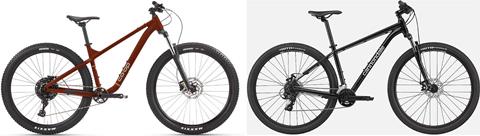
For those seeking simplicity without compromising on reliability, the traditional mountain bike is hard to beat. It’s low maintenance, requires no charging, offers the lightest setup, and is the easiest to repair in the field. With this category, gravel bikes also deserve a mention, as they provide a similarly pure off-road experience, though both are limited by the rider’s fitness levels.
A few budget-friendly options under $1,000 include the REI Co-op Cycles DRT 1.2 Mountain Bikeand the Cannondale Trail 8 Mountain Bike. Both bikes feature classic hardtail geometry paired with a front suspension fork, and they provide a solid foundation for future gearing upgrades as your riding needs evolve.
Bike Mounting Solutions
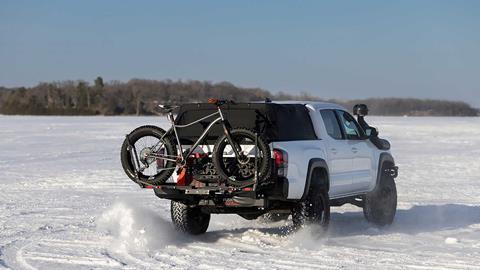
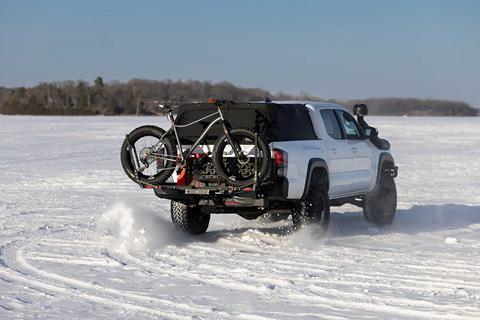
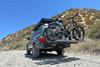
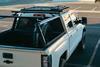
A few locations to consider for mounting your bike on your rig will depend on your vehicle setup and loading preference. Roof-mounted bike trays remain a popular choice and have a wide range of vehicle compatibility options, though they require an existing roof rack, rails, or crossbars for installation.
Affordable hanging-style hitch racks like the Kuat Beta and Yakima RidgeBack are budget-friendly options under $500 and are mounted at the rear of your rig for easier access.
For maximum durability on and off the trail, tray-style hitch racks such as the Kuat Pistron SR Hitch Rack and the 1UP Super Duty Hitch Rack stand out as top choices on the market. Both feature premium construction, 100-pound per tray weight capacities, and the ability to handle heavier e-bikes. If you have a pickup truck with bed space, a Bomberstrap tailgate pad provides a rugged yet minimal solution to securing your bike without damaging your tailgate.
Bikes gave us our first taste of independence as kids, and that thrill of adventure still resonates. Integrating micro-mobility into your next excursion brings that additional freedom to overlanding, where it’s no longer just where you sleep, it’s where you explore, ride, and rediscover what’s around you.
Access More Great Stories!
For more informative articles like this, consider subscribing to OVR Magazine in print or digital versions here. You can also find the print edition of OVR at your local newsstand by using our Magazine Finder.


No comments yet