



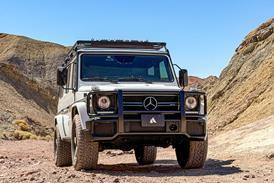




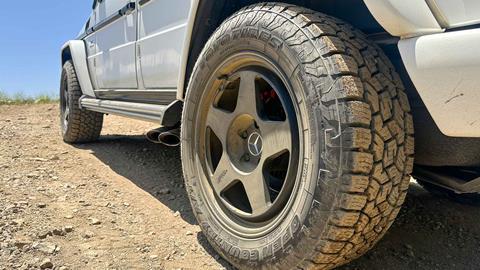
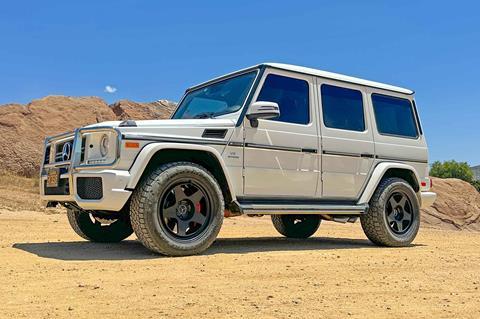
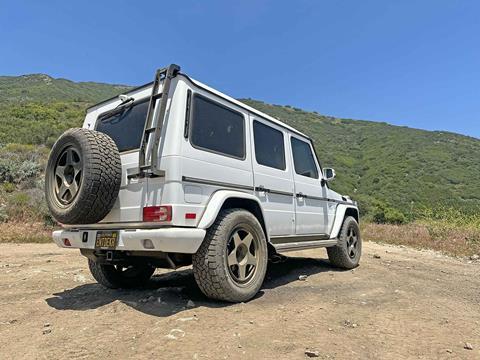
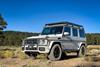
Finding the right wheel and tire combination for the OVR G63, a 2017 Mercedes-AMG G-Class, meant walking a fine line between off-road capability and daily drivability. After extensive research and drawing on experience from our Land Cruiser 100 Series build, we landed on forged Bradley Takumi wheels paired with Toyo Open Country A/T III tires—a setup that sheds weight, adds grip, and keeps the dual-purpose overlanding G-Wagon refined on pavement and confident on the trail.
One of the biggest challenges when transforming a high-performance Mercedes G-Wagon luxury SUV into a capable, daily-drivable overland vehicle is finding the right balance between form and function.
Upgrading wheels and tires is one of the most impactful modifications for any G-Wagon overlanding build, affecting everything from off-road capability to daily driving comfort.
We knew that any change to the OVR G63’s wheels and tires had to walk a fine line—it needed to look the part, perform off-road, and still drive like a refined daily.
Thanks to our prior experience with the OVR LC100, we already had a tire in mind. The decision on wheels, however, took a bit more research.
Why We Chose Toyo Open Country A/T III Tires for the G63
When researching the best all-terrain tires for G-Wagon overlanding, the Toyo Tires’ Open Country A/T III all-terrain tire consistently ranked among top performers for dual-purpose builds. We went with Toyo Tires’ Open Country A/T III all-terrain tire—no hesitation.
We also have firsthand experience with these tires, having logged thousands of miles on them across a variety of terrain and weather conditions with our LC100, and have been consistently impressed by how well they balance grip, comfort, and quietness.
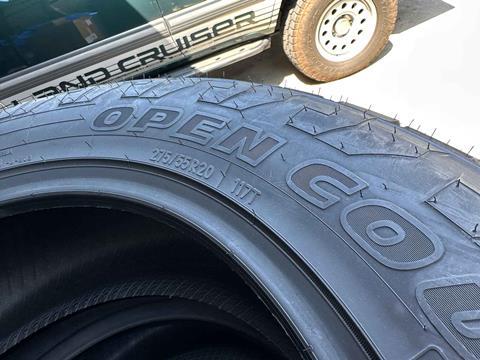
For the Mercedes-benz G-Class, those characteristics were a must. We needed a tire that could handle trails, gravel, and snow with confidence while remaining quiet and composed during weekday errands or long road trips.
| OVR G63 Wheel & Tire Specifications at a Glance: | |
|---|---|
| Vehicle: | 2017 Mercedes-AMG G63 (W463) |
| Wheels: | Bradley Forged Takumi 20x9.5” +25mm offset |
| Tires: | Toyo Open Country A/T III 275/55R20 XL |
| Weight Savings (over stock): | 40+ pounds total (8+ lbs per corner) |
| Diameter: | 32” (1” increase over stock) |
| Stock Setup: | 80 lbs 10 oz per corner |
| New Setup: | 72 lbs 8 oz per corner |
Passenger vs. LT Tires: Why We Chose P-Rated Tires for Our G-Wagon
Toyo offers the A/T III in a wide range of sizes and configurations—from Passenger (P) to Light Truck (LT), with load ratings ranging from SL, XL, C, D, and E and beyond. If you’re curious about what those letters and numbers mean, we cover it in detail in our guide “Tire Mysteries 101: Understanding the Numbers and Letters of Tires.”
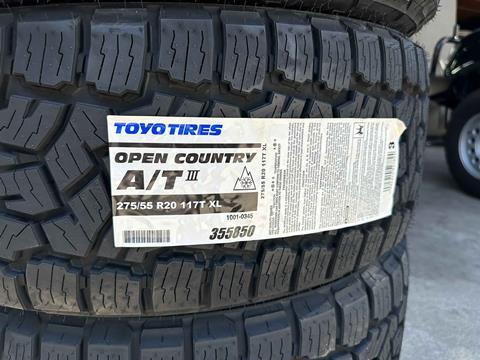
For this Mercedes G63 off-road setup, we opted for a Passenger-rated tire with an XL load rating—an intentional decision. While LT tires with heavier load ratings are often the default choice for off-roaders due to their thicker and more rugged construction, we chose to go in the other direction.
While LT-rated tires typically have tougher, stiffer sidewalls for heavy-duty use, they also weigh more and don’t flex as well when aired down—especially with the relatively short 6-inch sidewall profile we’re working with on a 275/55R20. A more pliable sidewall gives us better contact and traction off-road when running lower pressures.
LT tires also tend to ride noticeably stiffer, while P-rated tires deliver a plusher ride—something we appreciate whether we’re grinding down miles of washboard roads or cruising long stretches of highway.
We ran a similar setup on the OVR LC100 with zero issues over hundreds of miles of trail driving, so we felt confident going the same route with the G63. Of course, your mileage may vary—if your use case involves serious rock crawling, heavy hauling, or a significantly heavier vehicle, an LT tire with a higher load rating, such as an E-load, may be the better choice.
Weight Savings: How Forged Wheels Reduce Unsprung Weight
P-construction tires are typically lighter than identically sized LT tires of the same model. This reduction in weight can contribute to improved fuel efficiency, better acceleration, and more responsive handling. It also helps offset added weight, making it a smart choice for dual-purpose rigs that see both trail and daily street use.
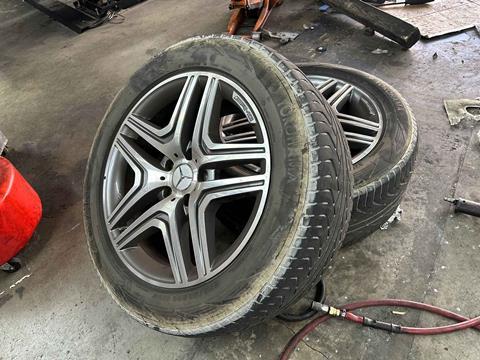
We saw a noticeable weight difference with our new setup. The factory 20-inch AMG wheels paired with 31-inch high-performance street tires weighed in at 80 pounds, 10 ounces per corner. In comparison, our new 32-inch tire and forged wheel setup came in at 72 pounds, 8 ounces each—a significant drop in unsprung weight.
That’s a reduction of over 8 pounds per wheel, or more than 40 pounds total across all five. And keep in mind, this is with a tire that’s an inch larger in overall diameter. So we’re gaining off-road capability while also reducing unsprung weight, which benefits handling, ride quality, and even fuel economy.
Choosing the Right Tire Size: 275/55R20 for the G-Class
As mentioned, we went with a slightly taller 55-series tire that only adds an inch of overall diameter to the stock 275/50R20 sizing. The added half-inch of sidewall on either side of the rim improves ride comfort and off-road confidence, and by keeping the factory tire width of 10.8 inches, we avoid any possible rubbing issues at full articulation.
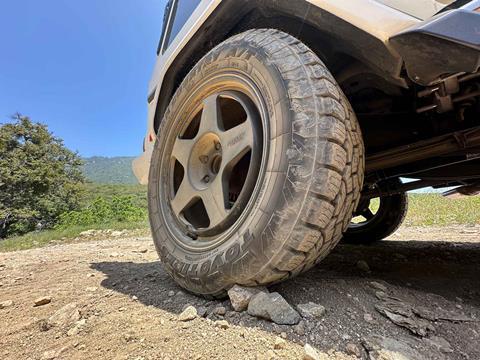
The extra sidewall also gives us more leeway to air down—just enough to improve trail grip without compromising safety. It doesn’t sound like much, but when it comes to tuning a suspension and tire package, those half-inches matter.
Coming in at 32 inches overall diameter, the new tires give the G-Wagon a slightly more rugged stance while still keeping it civilized for city driving. The tire looked right at home given our self-imposed stock ride height requirement—a decision made so we can still fit the G-Wagon in a standard garage.
If we had opted for a lift of a couple inches or more, we’d likely have upsized the tires by an inch or two—but at factory height, the 32s strike the perfect balance.
Why Forged Wheels Are Essential for Off-Road G-Wagons
Wheel selection was a bit more complicated. The AMG G63 is already a heavy vehicle, and it’s only getting heavier with the gear and equipment we plan to add. That meant we needed a wheel with serious strength—something forged, not cast.
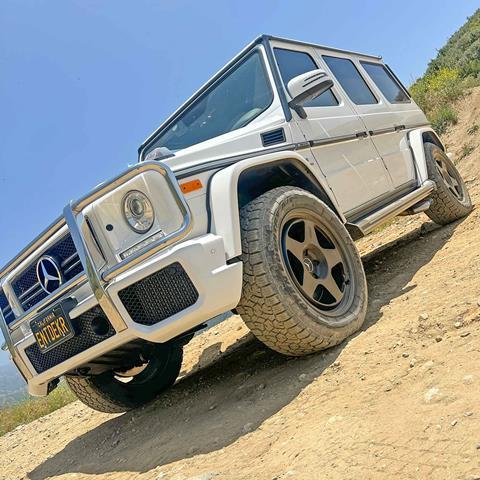
Forged wheels are made by applying extreme pressure and heat to a solid aluminum billet, shaping it into form rather than pouring molten aluminum into a mold as with cast wheels.
The forging process aligns the metal’s grain structure, resulting in significantly greater strength, impact resistance and lighter weight. That’s exactly the kind of reinforcement we need when hauling gear over rocky trails.
Bradley Forged Takumi Wheels: Japanese Engineering for the G-Wagon
Our search led us to a trusted name in the Japanese off-road community: Bradley Wheels. Their parent company, 4x4 Engineering, has been designing off-road wheels and upgrades for over 40 years, and their wheels are a staple among JDM Land Cruiser builds.
For G-Wagon owners seeking lightweight forged wheels with proven off-road durability, Bradley’s Japanese-engineered options stand out against competitors like Method Race Wheels, Fifteen52, and KMC. While cast wheels offer lower initial cost, the weight penalty and reduced strength make them less suitable for serious overlanding applications.
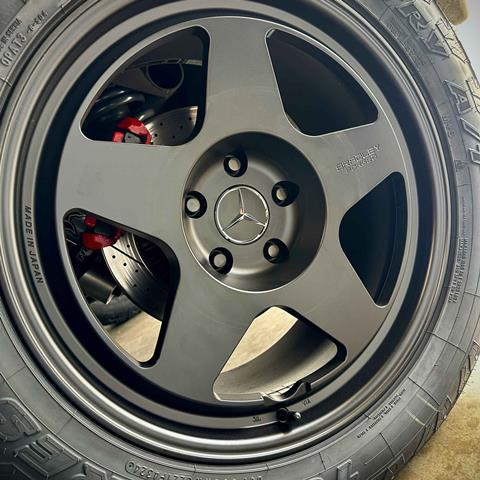
As luck would have it, the company had just released a 20-inch version of their Bradley Forged Takumi—designed specifically for the W463 G-Wagon—earlier this year.
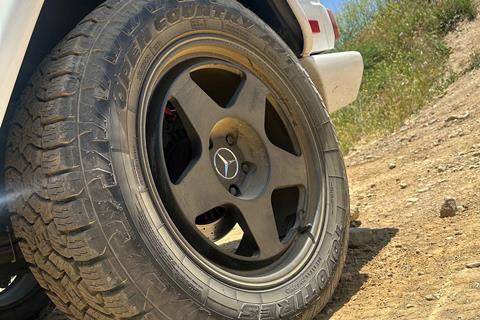
The five-spoke wheel is engineered to be both strong and lightweight, with a clean, simple design that complements the G’s sharp body lines. One look, and we knew it was the right fit for this build.
G63 Wheel Fitment: Understanding Size, Offset, and Brake Clearance
Figuring out the right wheel size and offset can be tricky—especially when working with a platform that’s new to you. For the Mercedes G-Wagon, one of the first hurdles was brake clearance.
The massive front AMG brake calipers leave no room to downsize—20-inch wheels are the minimum diameter that will clear them. While a 19-inch wheel might theoretically fit, tire availability in that size is extremely limited, making it an impractical option for a build like this.
For example, the Toyo Open Country A/T III—the all-terrain tire we chose for this build—is currently available in 29 different 20-inch sizes but only two options in 19-inch. That limited selection ruled out 19s for us right away.
While we typically prefer a smaller wheel for added sidewall and off-road flexibility, that just wasn’t an option here. That made strength even more important, which is why going forged was the right move.
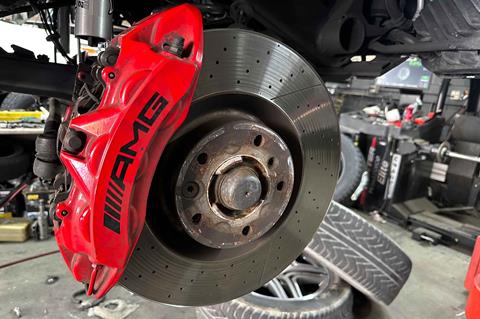
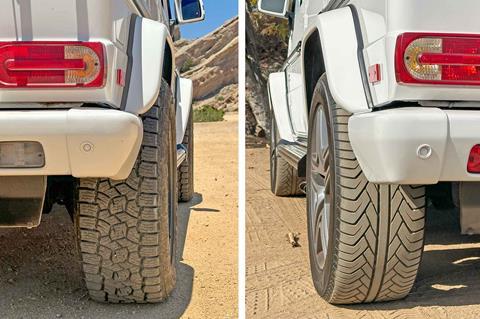
Fortunately, we didn’t have to experiment with fitment. Bradley Wheels had already developed a G-Wagon-specific version of their Forged Takumi wheel that checked all the boxes.
They measure 20x9.5 inches with a +25 offset. That offset pushes the wheels out just enough to give the G a slightly wider stance, filling out its broad fenders more naturally. It’s a subtle change, but it really helps dial in the truck’s proportions while delivering the strength and brake clearance we need.
OEM Mercedes Center Caps for Bradley Wheels
We’re sticklers for details, and there was no way we were leaving an empty center cap hole, especially on this upscale G-Wagon build. The Bradleys accept any standard 75mm (3-inch) center cap, and fortunately, Mercedes-Benz offers OEM options in that size.
While most came in gloss black or other finishes, we tracked down a matte black version that matched the Bradleys’ satin black finish perfectly.
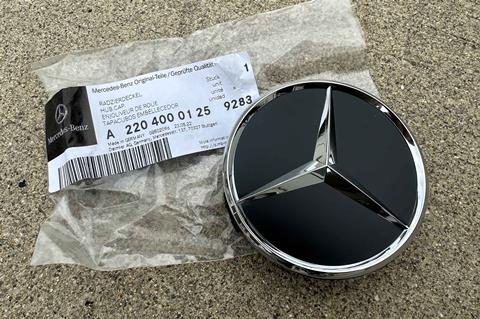
For those seeking the same, the part number is A220 400 01 25 9283. You’re welcome.
Upgrading the G-Wagon Spare Tire: Reverse Mount Solution
Even though we’ve always appreciated the G-Wagon’s iconic rear-mounted spare tire cover, we decided to part ways with it—both for practical reasons and, as it turns out, to give the OVR G63 a more trail-ready look.
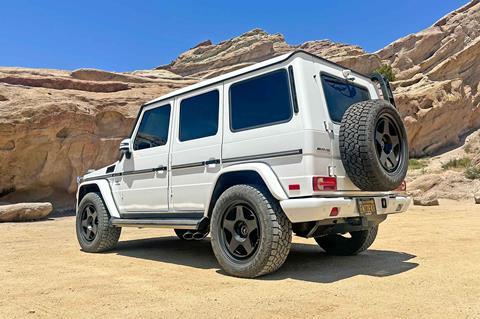
The stock spare tire carrier on the rear door is designed to mount the wheel with the face inward, limiting the size of the tire and hiding the wheel face itself. With our upsized 32” spare mounted on a matching Bradley Forged Takumi wheel, we needed a better solution.
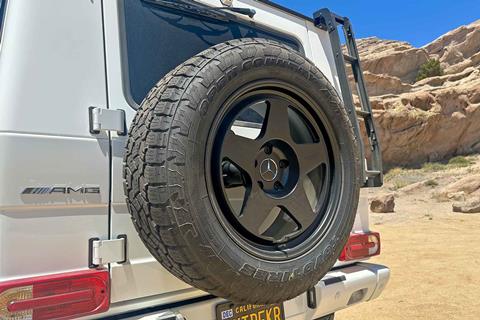
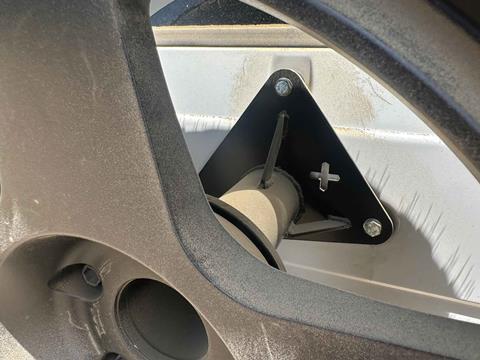
That’s when Jack Wagon Overlanding pointed us to a reverse spare tire mount made by 911 Motosports, available through their site. This mount not only accommodates a larger and wider spare tire; it also orients the spare so the wheel faces outward.
Now, the G63’s rear profile proudly displays the Takumi wheel; while ensuring we’ve got a full-size, ready-to-roll spare for when the trail demands it.
Professional Installation: RPM Off-Road Garage
RPM Off-Road Garage in Monrovia, California handled the mounting, balancing, and installation of our new wheel and tire package as well as the new spare tire mount.
While we had the G63 in their shop, we also had them install an upgraded suspension system—but we’ll cover that in detail in a future installment.
G63 Wheel and Tire Upgrade Results: Performance Review
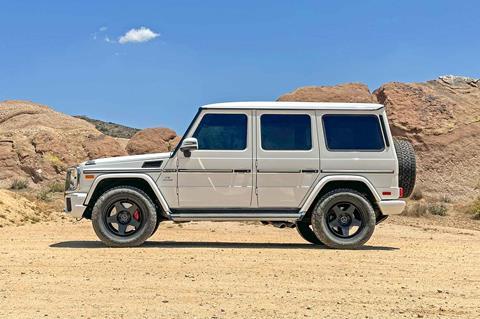
For now, we’re very happy with how the G63 sits and drives on the new setup. The Toyo Open Country A/T III tires give us the on-road civility we require and the off-road grip we demand.
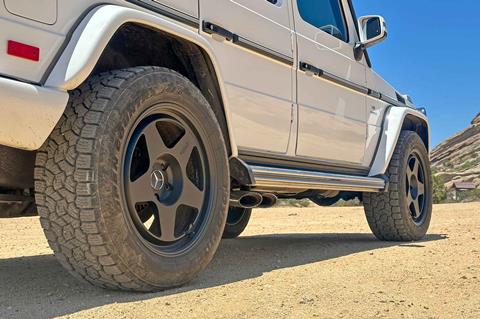
The Bradley Forged Takumi wheels are built to handle serious abuse while looking right at home on a high-end SUV. This setup strikes the right tone for the OVR G63’s mission: capable on the trail, composed in the city.
Key Benefits of This G-Wagon Wheel and Tire Setup:
- Reduced Unsprung Weight: 40+ pounds lighter improves handling, ride quality, and fuel economy
- Enhanced Off-Road Capability: Increased sidewall height allows better tire flex when aired down
- Maintained Daily Drivability: P-rated tires provide comfortable highway cruising and quiet operation
- Forged Durability: Japanese-engineered wheels withstand trail abuse while remaining lightweight
- Perfect Fitment: No rubbing at full articulation, clears AMG brake calipers
- Aggressive Stance: +25mm offset fills fenders for improved proportions
OVR G63 Wheel and Tire Setup
Wheels
• Bradley Forged Takumi: 20x9.5”, +25 Offset
Tires
• Toyo Tires’ Open Country A/T III: 275/55R20 XL
Spare Tire Carrier
• 911 Motosports: Spare Tire Reverse Mount (for W460/461/463)
Installation
• RPM Off-Road Garage
Center Caps
• Mercedes-Benz: Part# A220 400 01 25 9283
Read More About the OVR G63 Project Build by Clicking Here!
For more informative articles like this, consider subscribing to OVR Magazine in print or digital versions here. You can also find the print edition of OVR at your local newsstand by using our Magazine Finder

No comments yet