


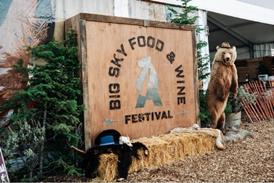

The inaugural Big Sky Food & Wine festival brought together local talent and national voices to celebrate the chefs, producers and ideas shaping Montana’s food culture — and to challenge the notion that great cuisine stops at the Rockies.
Beyond the Trailhead: Big Sky Food & Wine Celebrates Montana’s Evolving Food Culture
From Texas barbecue to mountain-inspired cuisine, a new generation of culinary talent is bringing fresh perspectives to Montana’s food scene.
Montana has long been defined by its relationship with the outdoors. Days are measured in miles hiked, fish landed, powder turns earned and roads traveled. And when the adventure ends, food often becomes part of the story: a cast-iron breakfast at camp, wild game chilil or a meal shared around a fire.
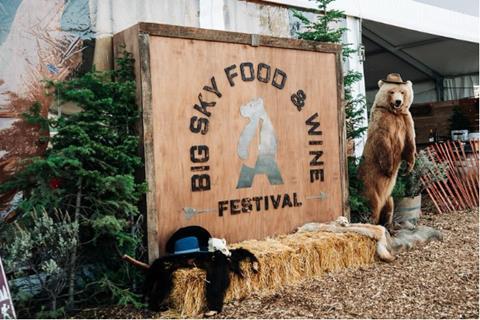
That connection between food, landscape and community was on display at the inaugural Big Sky Food & Wine festival, which brought chefs and culinary enthusiasts together to celebrate the people and ideas shaping Montana’s food culture.
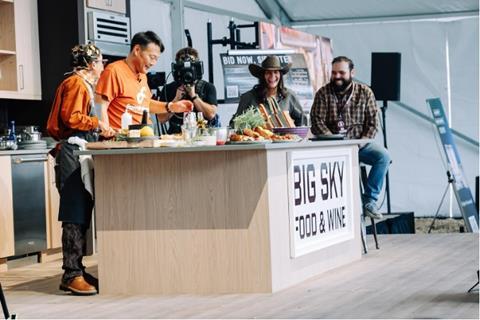
For outdoor enthusiasts, the festival offered another way to experience the state’s identity. Beyond its mountains, rivers and backroads, Montana is home to a growing culinary community that blends regional traditions with influences from around the country and the world.
For Jarrett Wrisley, chef and owner of Shan in Bozeman, that exchange is one of the event’s greatest strengths.
“I think it provides a forum where local chefs and food professionals can interact with people doing great things on the national level, and that’s great for everybody involved,” he says.
Wrisley believes Montana’s food scene deserves more recognition than it often receives.
“To be totally honest, I’ve grown tired of the portrayal of this place as a food desert,” he says. “It simply isn’t.”
He points to the quality of local ingredients and the restaurants, bakeries and coffee shops already doing excellent work across the state. Events like Big Sky Food & Wine give those businesses greater visibility while creating opportunities for chefs to exchange ideas and build relationships.
Cooking from a Sense of Place
Montana’s landscape has always influenced what people eat, from ranching and agriculture to hunting and fishing. But cooking with a sense of place doesn’t mean limiting a menu to traditional regional dishes. It can also mean adapting global influences to the environment and community where a chef lives and works.
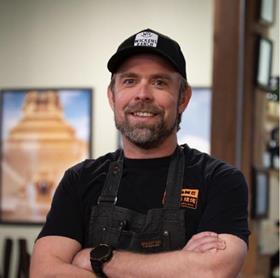
At Shan, Wrisley draws inspiration from the mountain regions of Thailand and China, bringing those influences into a distinctly Montana setting.
“The best restaurants are those which are a representation of place,” he says. “And that’s what I’m striving to do at Shan.”
The state’s climate, ingredients and landscape all inform his approach.
“I spend a lot of time outdoors,” he says, “and the climate, the product, and the landscape all shape what I cook here in pretty profound ways.”
That perspective reflects Montana’s evolving culinary identity. The state’s food culture can honor its agricultural roots while welcoming new techniques, international flavors and chefs with experiences from far beyond the Rocky Mountains. The common thread is a connection to the place and the people being served.
The Universal Language of Fire
Few things bridge outdoor recreation and food quite like cooking over an open flame. From Dutch ovens at camp to steaks on the grill and smokers working through the night, fire remains central to how people gather and cook outdoors.
It’s also a tradition that transcends geography.
John Bates, chef and owner of InterStellar BBQ in Austin, Texas, brought his approach to Texas barbecue to the festival. Despite the distance between the two states, he sees familiar values in Montana’s outdoor culture.
“I think Texas and Montana have very similar cultures regarding hunting, fishing, ranching and outdoor cooking,” he says.
For Bates, cooking over fire connects people to something much older than modern barbecue traditions.
“I think it goes all the way back to our earliest ancestors,” he says. “It connects us to a time when the family ended the day around a fire cooking and celebrating. Humans crave the warmth of the fire and the foods it can provide.”
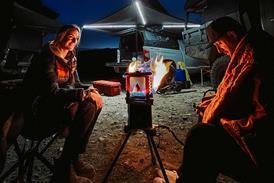
Anyone who has spent a night outside understands the appeal. A fire provides warmth, draws people together and creates a natural gathering point after a day on the trail or water.
But outdoor cooking also demands patience and adaptability. Wind, rain, humidity and temperature all influence how a barbecue pit performs, and mastering those variables takes time.
“When cooking outdoors, the environment is one of the biggest factors,” Bates says. “We cook outdoors daily and do not consider our pit hands fully trained until they have cooked a full year through all of the seasons and the variations that each presents.”
It’s a lesson familiar to anyone who spends time outside: experience comes from learning to work with the conditions rather than expecting them to cooperate.
A Taste of Texas in the Mountains
For Bates, visiting Montana for the first time offered an opportunity to share Texas barbecue with an audience whose own traditions are rooted in ranching, outdoor cooking and gathering around a meal. He was also eager to experience the landscape firsthand and, if the opportunity allowed, try fly fishing.
That blend of food and exploration is what makes culinary travel compelling. A meal can introduce visitors to a regional tradition, while time spent outdoors offers a deeper understanding of the landscape and lifestyle behind it.
Bates hopes diners recognize the care and cultural history behind his food.
“I hope that they feel the time, care and love we put into our national cuisine,” he says. “I want them to feel our culture all the way out in Montana.”
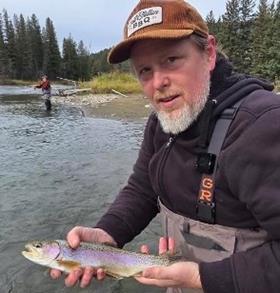
The exchange works both ways. Visiting chefs bring new perspectives to Montana, while the state’s landscape and traditions offer a fresh context for familiar cuisines. Whether it’s Texas barbecue or mountain-inspired Asian cuisine, food becomes a way to explore the relationship between culture, environment and community.
What’s Next for Montana’s Food Scene?
The inaugural Big Sky Food & Wine festival is a starting point for building those connections. Its lasting impact will depend on how it grows and the attention it brings to the chefs, producers and businesses already contributing to Montana’s culinary scene.
Wrisley is optimistic about what’s ahead.
“I hope it continues to grow; and I think it’s a clear indicator that great food is appreciated here,” he says.
For outdoor enthusiasts, that growth offers another reason to explore Montana. A trip down a gravel road, a day on the river or a weekend in the mountains can lead to memorable meals created by people who understand the connection between food and place.
The outdoors has always been about more than where you go. It’s about what you discover along the way, who you meet and the stories you bring home. Increasingly, some of those stories are being told around Montana’s table.
Access More Great Stories!
For more informative articles like this, consider subscribing to OVR Magazine in print or digital versions here. You can also find the print edition of OVR at your local newsstand by using our Magazine Finder.




No comments yet