






Luxury expedition vehicles promise to go anywhere, but every build involves trade-offs. From approach angles and axle weight to locking differentials and washboard roads, understanding your vehicle’s real-world limitations is the first step toward building a rig that’s genuinely capable — not just impressive in the driveway.
Beyond Tire Size: Understanding Your Overland Vehicle’s True Limitations
Luxury expedition vehicles are often presented as “unstoppable” or “able to go anywhere.” Look at the towering tires, generous ground clearance and substantial recovery equipment, and it is easy to understand the appeal.
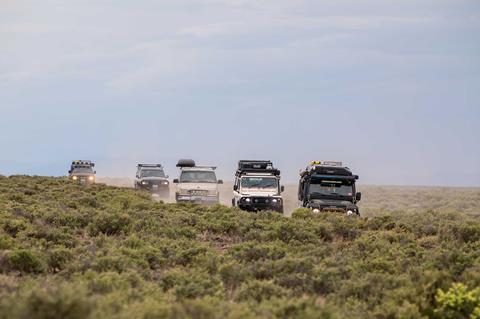
But overland vehicle capability depends on the entire package, including whether that package will fit down the trail you want to explore.
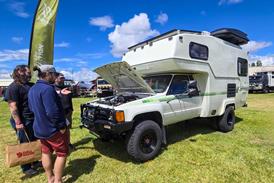
We have seen Suzuki Samurais on 31-inch tires go places an F-550 on 43s could never fit. The larger truck might offer a comfortable bed, a full kitchen and enough water for an extended stay, but those comforts come with compromises.
Understanding your overland vehicle’s limitations starts with looking at its dimensions, loaded weight, traction and reliability together.
Why Tire Size Alone Doesn’t Define Overland Vehicle Capability
Larger tires can help a vehicle roll over obstacles and increase clearance beneath the axles. They cannot shorten a wheelbase, tuck a camper beneath an overhanging branch or make a narrow shelf road wider.
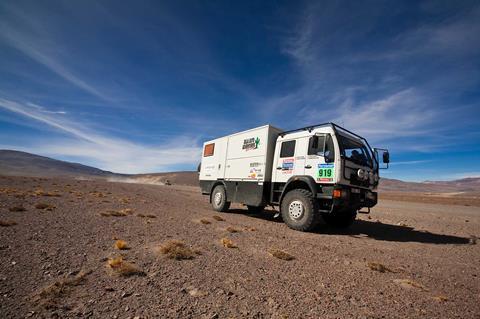
Depending on the vehicle, they can also add weight and place greater demands on gearing, brakes and drivetrain components.
That makes tire diameter one part of a much larger decision. Before choosing a platform or ordering another upgrade, consider where you intend to travel and what you need to carry.
A vehicle that works beautifully for winter weekends at a ski resort may have very different strengths from one built for remote desert crossings.
Vehicle Size: Where Will Your Rig Fit?
Overall length, width and height influence where a vehicle can travel, park and turn around. Those limitations follow you beyond the trail.
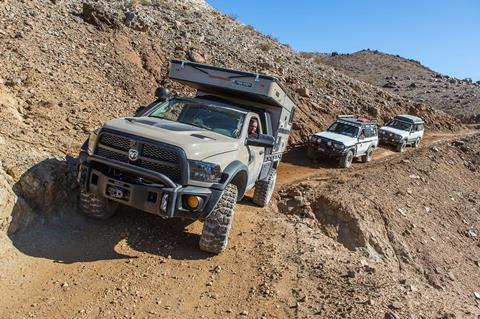
A comfortable expedition truck can become an awkward fit on village streets or in a crowded parking lot, long before its four-wheel-drive system gets involved.
Height, Width and Wheelbase
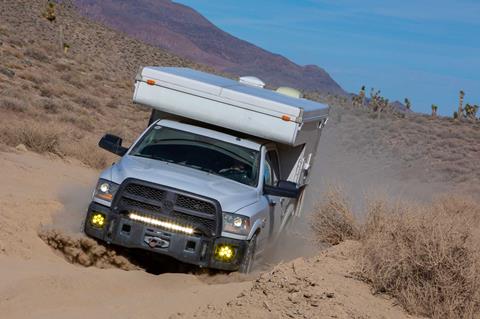
Height deserves particular attention in wooded terrain. A trail may offer plenty of clearance at bumper level while branches threaten the camper, rooftop tent or equipment mounted above the cab.
Windows high on a camper are especially vulnerable. Measure the vehicle in its travel configuration, including anything attached to the roof.
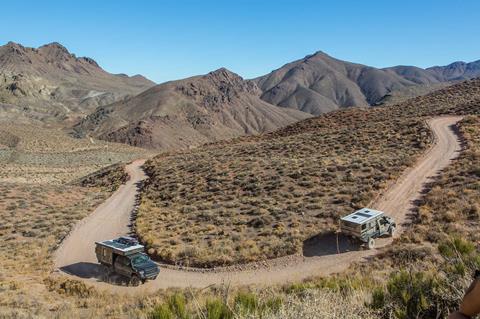
Width becomes an issue between trees, against rock walls and along narrow shelf roads. A longer wheelbase generally requires more room to maneuver, although steering design also affects turning radius.
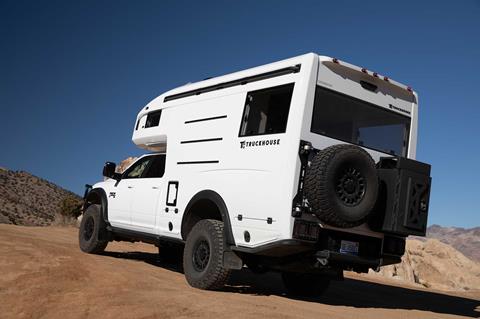
Tight switchbacks can force multiple-point turns, and a large rear overhang needs room to swing. Interior space is useful every night at camp, but you carry its dimensions through every tight section along the way.
Approach, Breakover and Departure Angles
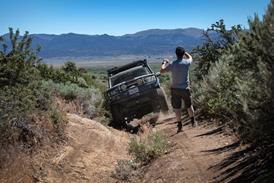
Approach angle describes how steep an obstacle you can meet before the front of the vehicle touches it. A low air dam or a bumper that projects far forward can reduce that clearance.
A well-designed winch bumper may improve it; the result depends on the bumper’s shape and position.
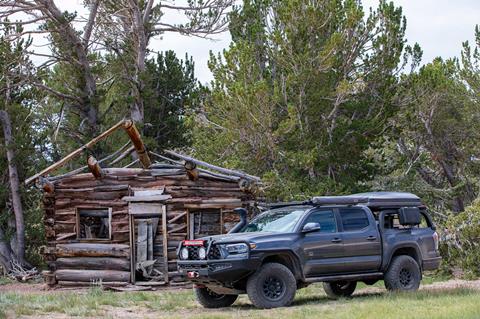
Departure angle describes the clearance behind the rear tires as you leave an obstacle. Cargo boxes, hitch-mounted bike racks and long camper overhangs can become the first things to drag when climbing out of a steep drainage.
Breakover angle concerns what happens between the axles. A long wheelbase combined with limited clearance beneath the middle of the vehicle makes it easier to become high-centered on a crest, ledge or log.
Check these clearances with the vehicle loaded for travel, since added weight can reduce ride height.
Vehicle Weight: How Upgrades Add Up
Granite countertops and 100 gallons of fresh water are welcome luxuries, but they travel with you through every climb, braking zone and stretch of soft ground.
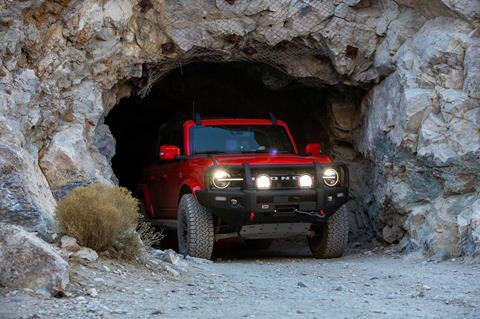
Bumpers, recovery gear, batteries, storage systems and spare parts all contribute to the same total. An expedition vehicle build can gain substantial weight through a series of individually reasonable decisions.
That weight can become a cycle. More equipment calls for heavier springs and additional supporting hardware, which add more weight themselves. Before another upgrade goes on, ask what problem it solves and whether there is a lighter way to solve it.
Aluminum armor may suit some applications, and an appropriately designed lithium house-battery system can save weight compared with lead-acid batteries.
The useful number is what the vehicle weighs ready to leave, with passengers, fuel, water and supplies aboard. Weigh it and check the total and individual axle loads against the vehicle’s ratings, along with the limits of its tires and wheels.
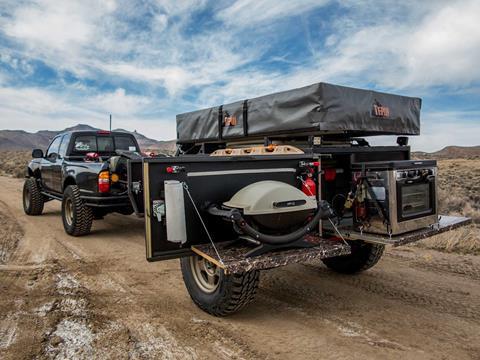
Where the load sits matters, too: heavy equipment mounted high or far behind the rear axle can affect handling even when the total looks acceptable.
Traction: Suspension, Four-Wheel Drive and Lockers
Overlanding traction depends on the tire’s grip, how well the suspension maintains contact with the terrain and how the drivetrain delivers torque.
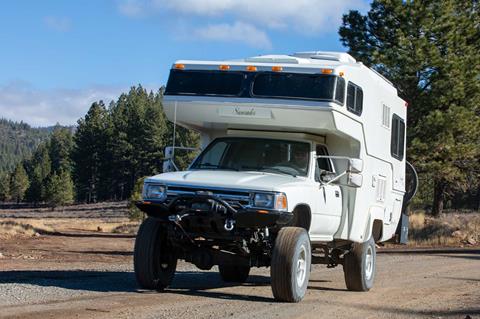
Good tires need help from the rest of the vehicle, particularly when ruts or rocks begin unloading individual wheels.
Solid Axles and Independent Suspension
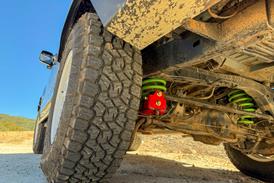
Solid axles often provide useful articulation in uneven terrain, while independent suspension can offer a more controlled ride over rough roads. Neither layout alone tells you how well a loaded vehicle will perform. Available travel, spring rates, damping and load capacity all matter.
A suspension that feels supple at crawling speed still needs to control the vehicle on the highway. Too little support or damping can leave a loaded camper wallowing through corners or responding poorly to crosswinds.
Choose components for the weight you actually carry and the mix of driving you actually do.
Four-wheel-drive systems vary as well. Some AWD and full-time 4WD systems allow a speed difference between the front and rear axles for use on pavement.
Part-time 4WD typically couples the axles through the transfer case, while some full-time systems provide a lockable center differential.
Low range adds gear reduction for controlled travel through difficult terrain. Learn how your particular system operates rather than relying on the badge.
Locking Differentials: Selectable or Automatic?
An axle locker prevents the two wheels on that axle from turning independently, helping maintain drive when one tire loses grip or lifts off the ground. It can make a substantial difference in a deeply rutted climb or rocky crossing.
Automatic lockers engage and release according to their design and driving conditions, and some can produce noticeable handling changes or tire scrub during road use.
Selectable lockers, such as ARB Air Lockers, let the driver choose when to lock the axle and retain normal differential action when disengaged.
That control is useful on a vehicle that spends considerable time on pavement, although the activation system adds components to install and maintain.
Reliability: Keep the Vehicle Manageable
Reliability is a practical measure of capability when the next repair shop is a long way off. A vehicle that clears an obstacle but leaves you troubleshooting an essential system afterward has introduced a different limitation.
Consider the consequences of a failure as carefully as the convenience of a feature. Can you lower the camper roof manually? Can you retract the electric steps if the motor quits?
Are critical electrical circuits accessible and clearly labeled? A manual backup can be valuable even when the powered system works well most of the time.
Using one fuel source for the engine and camper heater can simplify supplies where the equipment allows it. Accessible service parts and systems you understand also make life easier.
Complexity may be justified by a useful feature, but it should come with a maintenance plan and a workable response if it stops functioning.
Snow and Ice: Tire Choice Comes First
Vans and expedition vehicles make appealing bases for ski trips, particularly when a pass-through lets you reach the sleeping area without stepping outside. The drive to camp, however, calls for a different set of priorities from a dry desert trail.
AWD and four-wheel drive can help a vehicle get moving on slippery roads, but they do not provide a corresponding advantage when it is time to brake.
Dedicated winter tires use tread designs and compounds intended for cold-weather grip. An all-terrain tire’s aggressive appearance or generous siping does not, by itself, make it equivalent on ice.
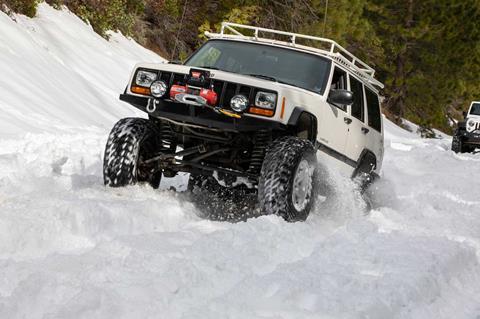
Deep snow introduces clearance and flotation problems, and a heavy vehicle can become difficult to recover once it sinks or rides up onto packed snow. Match the tires and equipment to the conditions, leave extra stopping distance and recognize when turning around is the sensible choice.
If winter travel is central to your plans, check suitable winter-tire availability before committing to an unusual wheel and tire size.
Washboard Roads: A Test of the Whole Build
Many overland trips involve far more corrugated dirt road than technical crawling. Repeated washboard can expose weaknesses in suspension, fasteners and interior fittings over miles of otherwise straightforward travel.
Appropriate tire-pressure reductions can help absorb the surface, but pressure must suit the tire, vehicle load and reduced travel speed. There is no single setting that works for every loaded rig. Carry a way to reinflate before returning to highway driving.
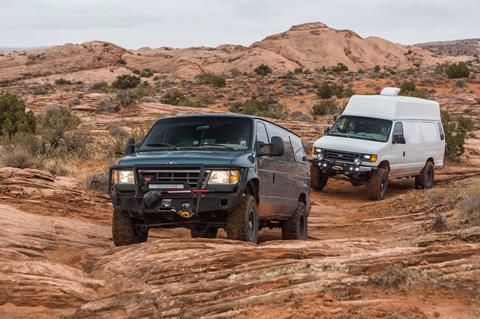
Shocks also have to manage the repeated movement and resulting heat. Reduce speed when the vehicle begins skipping or losing composure, and check the vehicle and its load during stops.
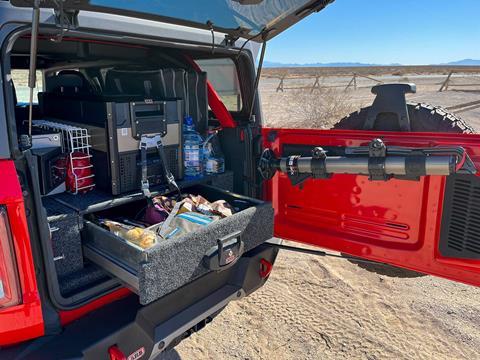
Drawers, cabinet doors, batteries and other equipment need secure mountings even when the ride feels comfortable from the driver’s seat.
Sand Travel: Flotation, Pressure and Weight
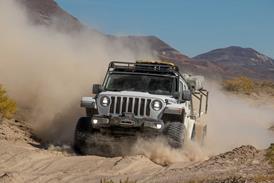
Soft sand rewards flotation. Reducing tire pressure can enlarge the contact patch and help the vehicle stay on the surface. Four-wheel drive and lockers may help maintain progress, but they cannot erase the disadvantages of an overloaded vehicle.
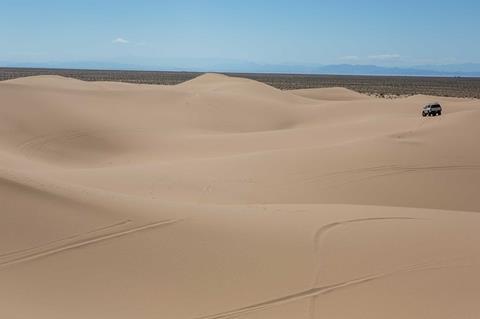
Choose pressure according to the load, tire construction and conditions, and keep speeds appropriate for the reduced pressure. Excessive wheelspin can dig the vehicle deeper. Reinflation equipment belongs in the travel kit, along with a recovery plan suited to the weight of the vehicle.
Open sand can offer more room to maneuver than a wooded trail, but dunes still impose limits. A sharp crest can catch a long wheelbase, and steep transitions can expose a low front bumper or long rear overhang. Room to drive does not guarantee room beneath the chassis.
Rock Crawling With a Loaded Overland Vehicle
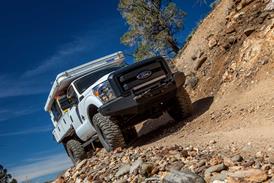
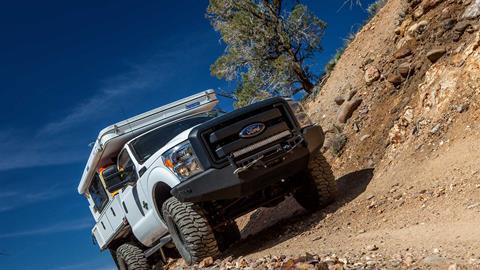
Rock crawling can place substantial loads on a vehicle, especially when it is carrying a camper and supplies for an extended trip. Large tires, lockers and underbody protection can help, but the consequences of a poor line grow when damage threatens both your transportation and your accommodation.
When rocks are unavoidable on the route, stop and inspect the crossing. Consider tire placement, the clearances beneath the vehicle and what happens as the suspension compresses or a wheel drops into a gap. Use a spotter where visibility is limited and proceed slowly enough to make deliberate corrections.
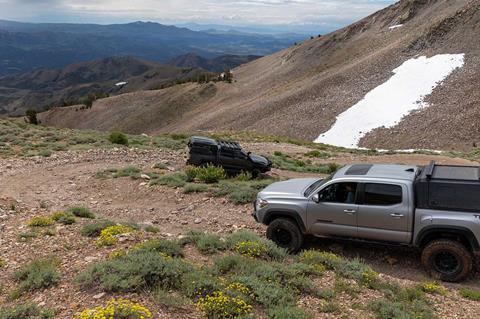
Stay on the established route and follow local land-use rules. If the obstacle exceeds the vehicle’s clearance, stability or recovery options, choose another route. Reaching camp with the vehicle intact is a useful measure of a successful day.
Choose the Overland Vehicle That Fits Your Travel
There is no objectively perfect vehicle, but there are vehicles well suited to particular trips. Ski weekends, extended travel down the Pan-American Highway and routes involving regular rock crawling place different demands on a build. Identify those demands before spending money on equipment whose benefits you may rarely use.
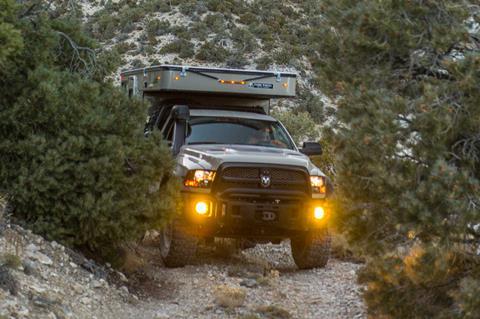
Overland vehicle capability comes from how the complete vehicle works on your intended route. Keep weight, manageable systems and realistic trail dimensions in mind as the build develops.
We also go through our gear once a year to reassess what we need to add and what we can leave behind. Removing equipment that no longer earns its place can recover payload and simplify packing, while keeping the vehicle closer to the job you built it to do.
Access More Great Stories!
This article originally appeared in OVR Issue 14. For more informative articles like this, consider subscribing to OVR Magazine in print or digital versions here. You can also find the print edition of OVR at your local newsstand by using our Magazine Finder.




No comments yet