

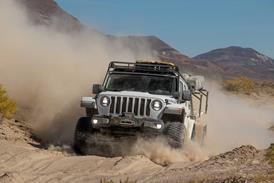








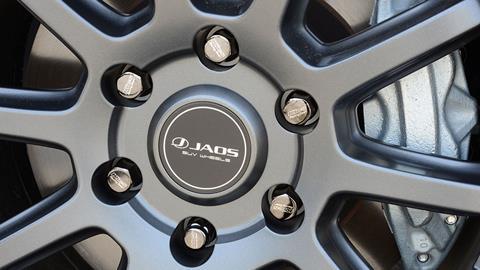
Larger tires and stronger wheels dominate build lists, but the humble lug nut rarely gets attention. Yet this small component bears enormous responsibility—especially for overlanders navigating rough terrain, carrying heavy loads, and performing frequent maintenance far from pavement. Quality hardware isn’t just about appearance; it’s about clamping force, material durability, and long-term reliability when it matters most.
Why Quality Lug Nuts Matter for Overland and Off-Road Vehicles
Wheel and tire upgrades are often among the first modifications made to an overland or off-road vehicle. Larger tires, stronger wheels, and suspension improvements all help improve capability on rough terrain. Yet one of the smallest components in the entire system is often overlooked: the lug nut.
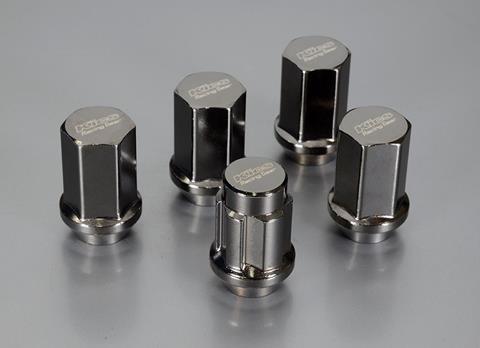
It may seem like a minor detail, but lug nuts play a critical role in keeping a wheel securely attached to the vehicle. For overlanders and off-roaders who regularly subject their rigs to vibration, impacts, changing loads, and repeated wheel removals, the quality of the lug nut matters far more than many realize.
A poorly made lug nut can strip, seize, deform, or loosen over time. In contrast, a properly engineered lug nut made from quality materials can provide better durability, more consistent clamping force, and improved long-term reliability during technical trail driving or extended vehicle-based travel.
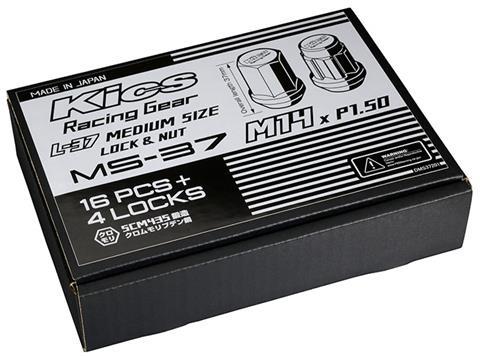
One product aimed squarely at enthusiasts looking for a stronger and more precise solution is the Kics Racing Gear MS-37 from Mackin Industries.
Why Clamping Force Matters Off-Road
At their core, lug nuts are responsible for applying clamping force between the wheel and hub. When properly torqued, the wheel is held firmly against the mounting surface. This connection allows the vehicle’s weight, acceleration, braking, and cornering forces to transfer safely through the wheel assembly.
On pavement, those loads are already substantial. Off-road, they become even more demanding. Washboard roads, rocky climbs, deep ruts, repeated suspension cycling, and uneven terrain all place additional stress on wheel hardware.
Vehicles built for overlanding also tend to carry significantly more weight than stock. Steel bumpers, roof racks, recovery gear, water storage, camping equipment, refrigerators, and oversized spare tires all increase the load placed on the wheel assembly. That added mass can amplify stress on both wheel studs and lug nuts, particularly during braking, hard impacts, or high-speed dirt travel.
Consistent clamping force becomes especially important in these conditions. Precision-machined lug nuts with accurate seating surfaces help distribute load evenly across the wheel mounting face. Inferior hardware can have inconsistent taper angles or poor machining tolerances, potentially leading to uneven seating and reduced contact area.
Over time, that inconsistency can contribute to loosening, vibration, wheel damage, or premature wear to the hardware itself.
Material Choice Makes a Difference
One of the biggest differences between inexpensive aftermarket lug nuts and higher-quality offerings comes down to material selection.
Many lower-cost lug nuts use softer materials or lightweight aluminum construction primarily for appearance. While aluminum lug nuts may reduce weight slightly, they can also be more susceptible to thread wear, galling, deformation, or rounded hex surfaces after repeated use—especially when exposed to dirt, moisture, road salt, or aggressive impact gun use.
For vehicles that routinely venture far from pavement, durability often outweighs saving a few ounces.
The Kics Racing Gear MS-37 lug nuts are forged from SCM435 chrome molybdenum steel, a material commonly used in motorsports and high-stress automotive applications due to its strength and durability.
Forging itself also plays an important role. Compared to cast alternatives, forged components generally offer improved structural integrity because the manufacturing process aligns the metal’s grain structure under pressure. This can improve resistance to cracking and deformation under heavy loads or repeated impacts.
That becomes particularly relevant for off-road vehicles where vibration and repeated shock loads are part of normal operation.
Built for Enthusiast Use
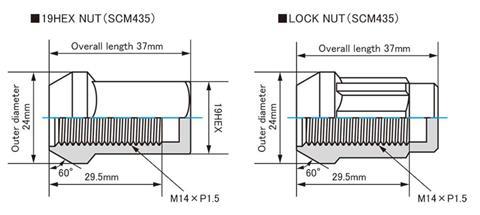
The Kics Racing Gear MS-37 features a medium-length 37mm body with a 60-degree taper seat and is available in M14x1.5 sizing commonly found on many trucks and SUVs.
Rather than relying on oversized styling or flashy finishes, the MS-37 focuses on functional durability and precise fitment. Its slimmer profile can also help with aftermarket wheels that feature tighter lug recesses.
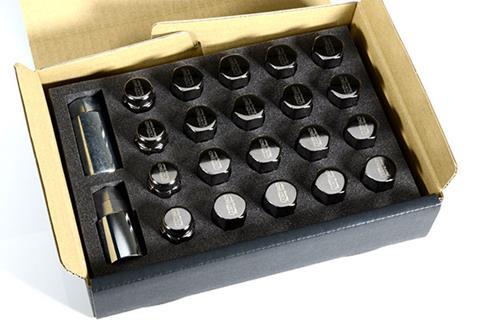
The set includes 16 standard lug nuts, four locking lug nuts, and dedicated adapters. Locking hardware adds another layer of security for vehicles equipped with expensive aftermarket wheels or beadlock-style setups.
Repeated maintenance is another area where hardware quality becomes noticeable. Overlanders and off-roaders often rotate tires more frequently due to uneven wear from aggressive tread patterns and trail use. Wheels may also come off regularly for brake work, suspension servicing, or trail-side repairs.
Repeated installation and removal can quickly expose weak hardware. Rounded hex surfaces, damaged threads, or seized lug nuts are frustrating in a garage and potentially serious when servicing a vehicle in remote areas. A quality forged steel lug nut is generally more resistant to these issues than cheaper decorative alternatives.
Heat, Corrosion, and Real-World Trail Conditions
Off-road vehicles routinely experience conditions many passenger cars rarely encounter. Mud, water crossings, snow, road salt, dust, and prolonged UV exposure all take a toll on exposed hardware.
Corrosion resistance becomes important not just for appearance, but also long-term serviceability. Lug nuts that corrode excessively can seize to wheel studs or become difficult to remove during field repairs.
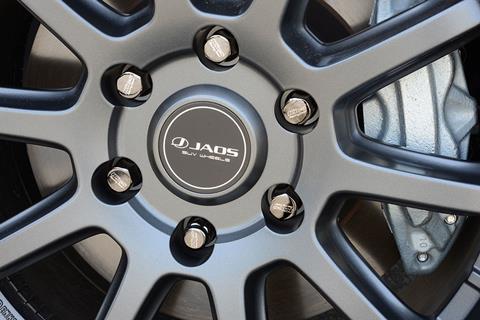
While no coated steel lug nut is completely immune to wear over time, higher-quality coatings and tighter manufacturing tolerances often help premium hardware maintain both appearance and function longer than lower-cost alternatives.
Heat is another frequently overlooked factor. Larger tires and heavier vehicle loads place greater demand on braking systems, generating additional heat around the hubs and wheels. Steel lug nuts generally tolerate heat cycling better than softer materials, helping maintain structural integrity through repeated use.
A Small Component With Big Responsibility
Lug nuts rarely get attention at shows or on build sheets, but they are one of the few components directly responsible for keeping the wheel attached to the vehicle. That alone makes them worth considering carefully.
For overlanders who spend days away from pavement, reliability matters more than appearance alone. Small failures in remote areas can quickly become major problems. Investing in properly engineered hardware may not be as visually dramatic as a suspension or tire upgrade, but it contributes to the overall integrity and dependability of the vehicle.
The Kics Racing Gear MS-37 represents the type of component that blends motorsports-grade engineering with practical real-world durability. With forged SCM435 construction, precise machining, locking hardware, and a design intended for repeated use, it offers advantages that extend beyond aesthetics alone.
In the world of off-road travel, where vehicles are routinely pushed far beyond normal commuter duty, even the smallest hardware choices can make a meaningful difference.
Kics Racing Gear MS-37
Access More Great Stories!
For more informative articles like this, consider subscribing to OVR Magazine in print or digital versions here. You can also find the print edition of OVR at your local newsstand by using our Magazine Finder.



No comments yet