



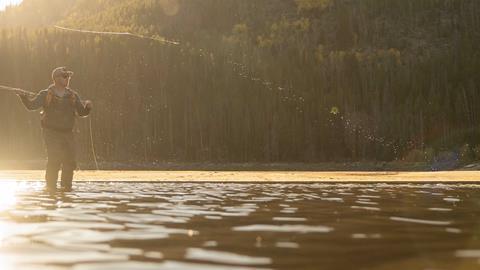
Montana’s most rewarding fishing spots were never pinned on a map or shared in a group chat. They were found by someone who followed a backroad to see where it ended. Here’s how to build — and protect — a portfolio worth keeping.
Asset Management
The Drive Is Part of the Day
Long before the first cast, there’s the drive.
This Destination story was produced in partnership with the Montana Department of Commerce. For more Montana travel information, go to visitmt.com.
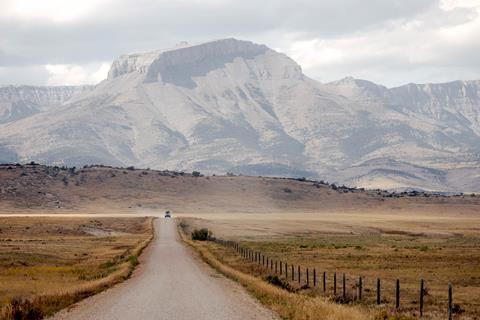
The best Montana fishing rarely begins at the water’s edge. It starts before sunrise with coffee in a travel mug, a cooler tossed in the back, and tires humming down a highway toward the country where the pavement eventually gives way to gravel.
The interstate gets you across Montana.
The backroads introduce you to it.
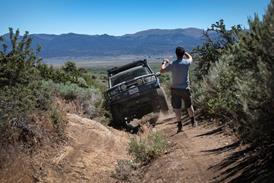
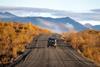
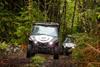
A county road turns into a Forest Service road. Washboards rattle the coffee cup. A cattle guard announces you’ve left one ranch and entered another. Mountains appear around a corner that wasn’t on the postcard. Somewhere along the way, cell service fades, the traffic disappears, and the day’s priorities simplify.
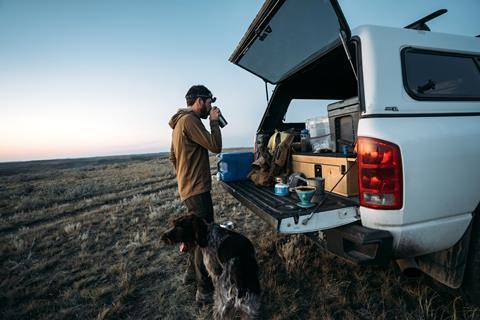
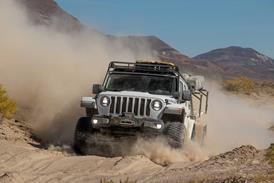
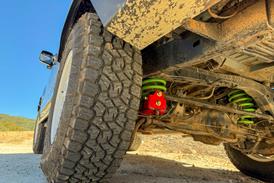
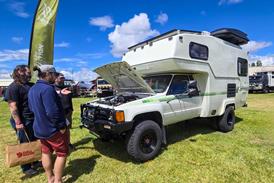
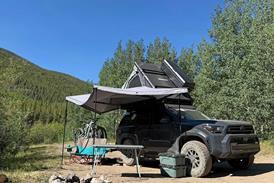
Whether you’re driving a purpose-built overland rig or the pickup that’s been in the family for years, every mile away from pavement feels like a small investment.
You’re not simply covering ground; you’re buying into the possibility that around the next bend is something worth remembering.
Maybe it’s a trout stream.
Maybe it’s an alpine lake.
Maybe it’s just a quiet meadow where lunch tastes better because you had to work a little to get there.
The best part is that you don’t know.
And that’s exactly the point.
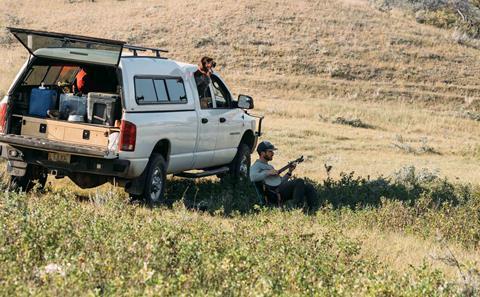
For generations, Montanans have understood that the journey isn’t separate from the destination. It’s part of it. Some of the state’s most memorable places aren’t found because someone pinned them on social media or wrote them into a guidebook. They’re found because someone looked at a map, noticed a road that didn’t seem to go anywhere, and decided to see where it ended.
That’s how the best spot portfolios are built.
It’s time to review yours.
When Everyone Found Montana
The spot market has undergone several significant shifts over the years, but anglers can point to two events that dramatically impacted the value of their holdings.
The first arrived in 1992, when A River Runs Through It introduced millions of people to the romance of Montana fly fishing. The second came nearly three decades later, when a global pandemic sent people searching for fresh air, public lands, and places where there was room to breathe.
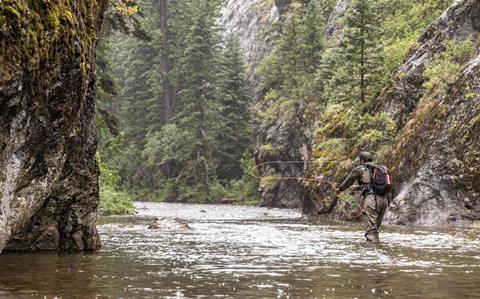
Suddenly, everyone wanted a spot.
For the angler who treasures solitude, the value of certain assets declined overnight. The bend in the river that once held only rising trout and kingfishers now hosts drift boats, wading anglers, and the occasional Bluetooth speaker.
On the other hand, for the family who discovers a quiet creek where kids skip rocks, dogs chase sticks, and parents sneak in a few casts before lunch, that same investment may appreciate for generations, paying dividends in memories instead of money.
So how does your portfolio look?
Diversify Your Portfolio
The strongest portfolios aren’t built around famous places. They’re built around personal discoveries.
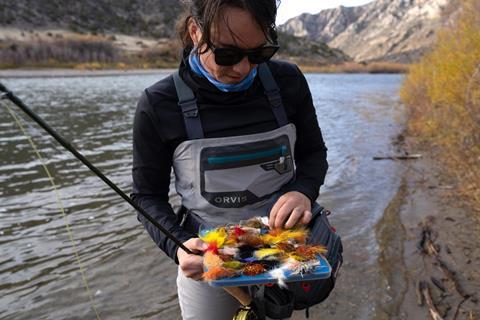
Like any good investment strategy, diversification matters.
A portfolio consisting entirely of Montana’s iconic rivers might look impressive, but it leaves you exposed to crowds, runoff, weather, and the latest fishing report circulating online. The best investors spread their risk.
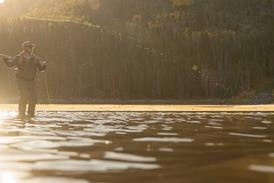
Mix blue-ribbon rivers with forgotten tributaries. Add an alpine lake that requires hiking boots instead of waders. Include a beaver pond where the trout are only ten inches long but rise to almost every cast. Save a little unnamed creek for evenings when you only have two hours before sunset.
Some of your best-performing assets won’t produce your biggest fish.
They’ll produce your favorite days.
Following the Blue Lines
Adding the next asset to your portfolio often begins with a paper map and a practice known among anglers as blue-lining—following the thin blue tributaries on a map upstream in search of overlooked water that many people drive right past.
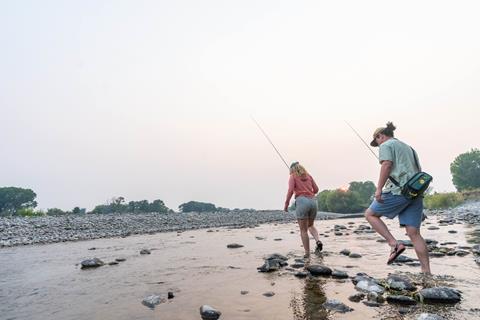
Notice that cold, clear tributary slipping quietly into the river you’re fishing? The one everyone drives past on the way to somewhere more famous?
The next morning, follow that blue line upstream.
You’ll probably spend more time driving than fishing. That’s okay.
The paved road becomes gravel. Gravel becomes two-track. Maybe you air your tires down. Maybe you stop twice because the light on the mountains is too good not to photograph. Maybe you find a trailhead at the end of a road you’ve never noticed before despite driving past it for years.
The search itself becomes part of the investment.
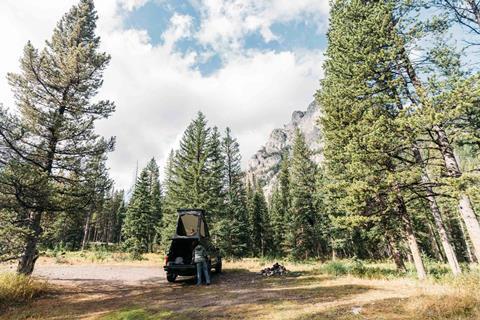
Every off-roader or overlander understands this instinct. Sometimes the destination is simply an excuse to explore a road you’ve never driven before. Every unfamiliar junction presents a decision. Every overlooked Forest Service road invites curiosity.
In Montana, there are still countless places where curiosity is rewarded.
Maybe your blue line leads to an alpine lake where Arctic grayling cruise the shoreline. Maybe it’s a meadow stitched together by beaver ponds full of eager cutthroat. Maybe the fishing is only average, but the drive there delivers sightings of sandhill cranes, mule deer, and a bull moose standing knee-deep in a willow marsh.
That’s a good return, too.
More Than Transportation
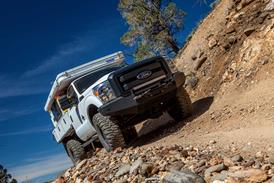
The truck isn’t just transportation.
It’s your passport to the places between the destinations.
It carries fly rods in June, mountain bikes in July, hunting gear in October, and skis when winter finally settles into the high country.
In a state as vast as Montana, capable vehicles aren’t about conquering obstacles; they’re about unlocking opportunity.
Every mile of gravel filters out a few more people and lets in a little more quiet. Eventually the road ends.
Now the investment shifts from horsepower to sweat equity.
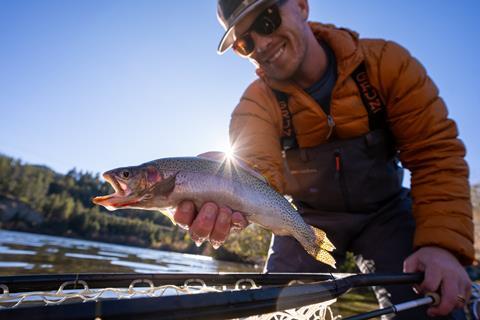
The hike to the lake. The forgotten fly box still sitting on the tying bench back home. The sandwich that somehow tastes better sitting on a sun-warmed log. The afternoon thunderstorm that sends you scrambling beneath lodgepole pines.
Oddly enough, every inconvenience increases the value of the asset.
The fish become only one part of the story.
Protection
Now comes the difficult part of portfolio management: Protect your investments.

You don’t have to geotag every memorable day. Not every photograph needs GPS coordinates. Sometimes the best stories begin with, “I’ll show you someday,” instead of, “Here’s exactly where I was.”
There’s a quiet etiquette among anglers that existed long before social media.
Respect the resource.
Respect the people already there.
Leave the place better than you found it.
And if you eventually decide to introduce someone to one of your prized holdings, make sure they understand the assignment. A little playful secrecy, perhaps involving exaggerated warnings about blindfolds on the drive in, isn’t gatekeeping. It’s passing along the legacy of place.
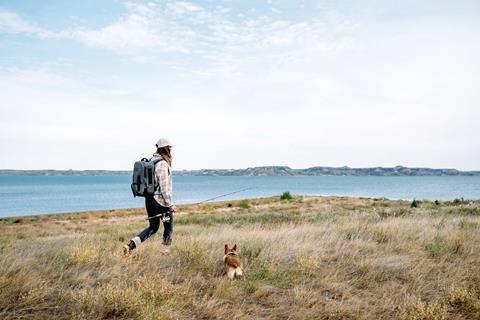
The truth is, years from now you probably won’t remember exactly how many trout you caught on a particular afternoon. You’ll remember the backroad that climbed into the clouds. You’ll remember your daughter catching her first fish. You’ll remember the dog asleep in the back seat before you even reached the highway home.
You’ll remember finding a place that felt like your own. Those are returns that compound.
So keep investing.
Drive the backroads. Follow the blue lines. Explore the places between the famous places. Let Montana reward your curiosity instead of your search history. That’s where the best Montana fishing stories begin—and why they’re worth returning to year after year.
Because the greatest asset in your portfolio isn’t a fishing spot.
It’s the adventure you found getting there.
Access More Great Stories!
For more informative articles like this, consider subscribing to OVR Magazine in print or digital versions here. You can also find the print edition of OVR at your local newsstand by using our Magazine Finder.

No comments yet