







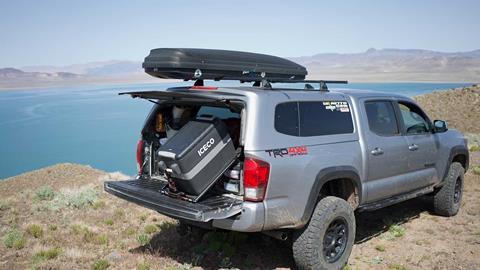
A 12-volt freezer/fridge can extend your time in the backcountry, reduce your dependence on ice, and pull double duty at home — but choosing the right one takes more thought than you might expect. We break down the key factors, from capacity and compressor efficiency to features, accessories, and everything in between.
What To Look For In A 12-Volt Overland Fridge
There is no shortage of gear designed for overland travel, but perhaps no single piece of equipment has a bigger impact on comfort and convenience than a 12-volt overland fridge.
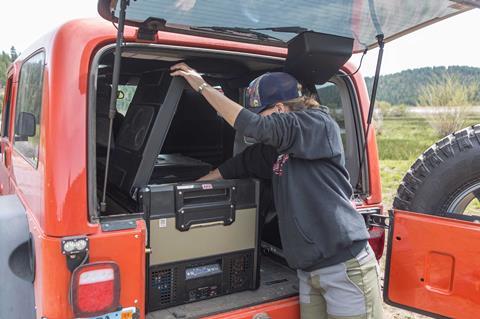
Unlike a traditional cooler that requires a constant supply of ice, a quality 12V fridge for overlanding keeps food and drinks consistently cold for days at a time while eliminating melted ice and soggy groceries.
A 12-volt overland fridge can extend the amount of time you spend in remote areas without having to restock, it can be used around town for grocery shopping, and it can even be plugged in at home to supplement your refrigerator during the holidays.
Even if you’ve already decided a fridge is right for you, there are several important factors to consider before choosing the best overland fridge for your vehicle. What works perfectly for one traveler may not be the right solution for another.
Choosing The Right Fridge Size For Your Overland Build
12-volt overland fridges from leading brands such as ARB, Dometic, and ICECO are available in sizes ranging from approximately 25 to 100 quarts.
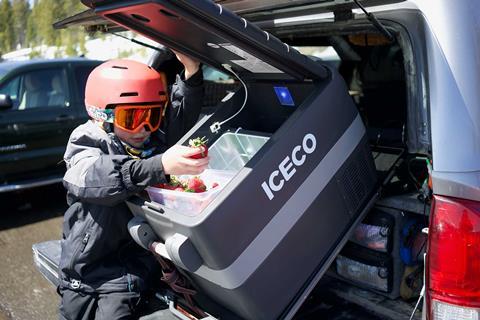
Because compressors are relatively similar in size regardless of the refrigerator’s capacity, larger fridges devote a greater percentage of their overall volume to usable storage.
Bigger is generally better—provided you have the room. Before purchasing, carefully measure where you plan to mount the fridge and consider how much weight you’ll be lifting if it won’t remain permanently installed. Many overland fridges weigh more than 50 pounds before food and drinks are added.
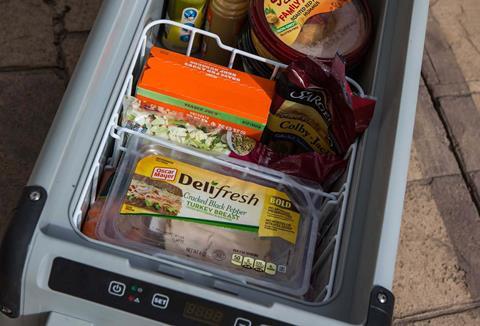
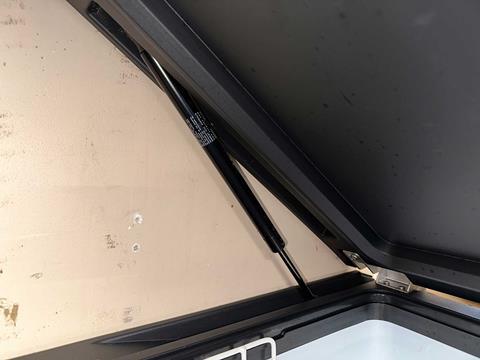
Another consideration is how the lid opens. Most fridges use a rear hinge, while others feature side-opening lids. ’
Depending on your vehicle, a side-opening design can make access much easier when mounted on top of a drawer system or beneath a camper shell where overhead clearance is limited.
Amperage Draw And Battery Protection: What You Need To Know
Perhaps the most important characteristic of a 12-volt overland fridge is its power consumption. An efficient refrigerator keeps food cold without draining your battery to the point that your vehicle won’t start.
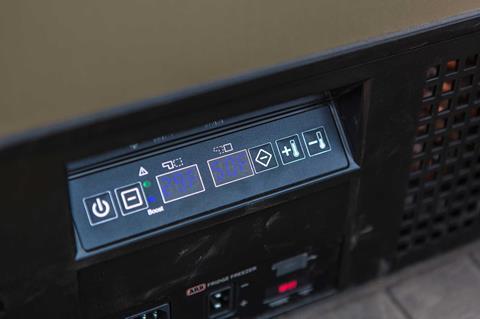
Unfortunately, manufacturers don’t always publish comparable power consumption figures, and when they do, testing conditions such as ambient temperature and thermostat settings are often omitted.
Most premium overland fridge compressors—particularly those based on the proven Danfoss/Secop design—draw less than one amp per hour on average once they have reached operating temperature.
While actual consumption varies depending on outside temperatures, how often the lid is opened, and the temperature setting, efficient compressors typically consume far less power than many buyers expect.
As a general guideline, a quality 12-volt fridge drawing around one amp per hour can often operate for a full day or longer on a healthy 100Ah auxiliary battery under moderate conditions.
Pairing your fridge with a dual battery setup significantly extends run time while ensuring your starting battery remains protected.
Quality fridges also include adjustable low-voltage protection, allowing you to choose the voltage at which the refrigerator automatically shuts off. If you’re powering your fridge from your vehicle’s starting battery, it’s wise to use a higher cutoff voltage.
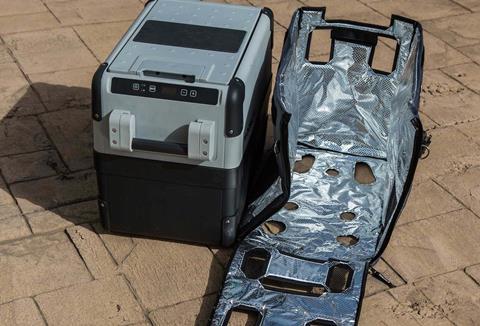
We’d rather have warm drinks than a vehicle that won’t start. If your vehicle uses an isolated auxiliary battery, however, you can safely draw that battery much lower without affecting your ability to drive home.
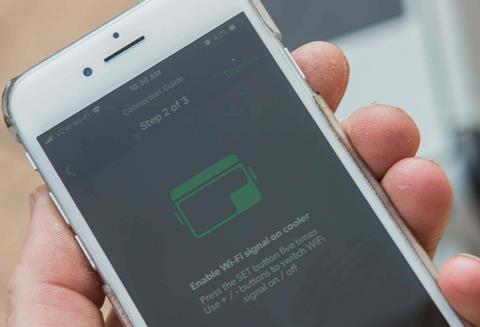
ARB also offers a free smartphone app for its Zero series that allows users to monitor battery voltage and internal temperature remotely.
Initially we thought this feature was unnecessary, but it has proven surprisingly useful when the fridge is strapped into the cargo area, allowing us to confirm it’s still operating properly without climbing into the back of the vehicle.
Key Features To Look For In A 12-Volt Overland Fridge
Modern overland fridges include a variety of convenience features that make daily use much easier.
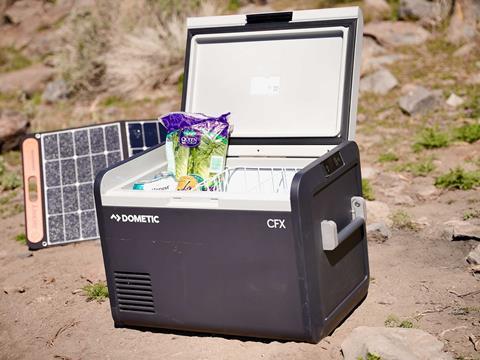
We appreciate removable storage baskets that keep food organized and simplify unloading, while drain plugs make cleaning the interior after a trip much less of a chore.
Removable lids are another useful feature, and companies like Dometic and ARB offer fridges with reversible lids that can be latched from either side, making installation more flexible regardless of where the fridge is mounted.
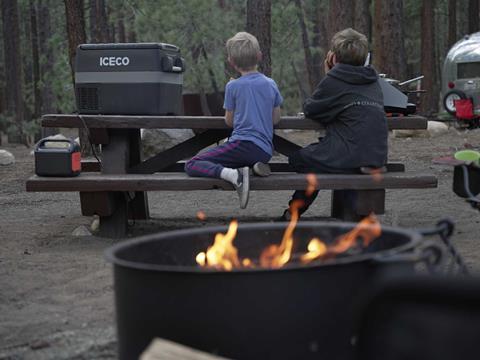
A quality 12-volt overland fridge should also operate on both 12-volt DC and 110-volt AC power. This allows you to preload food at home before a trip or use the fridge as supplemental refrigerator space during holidays and gatherings.
Digital displays are another worthwhile upgrade, providing precise temperature control that’s much easier to use than the analog knobs found on older refrigerators.
Interior LED lighting makes it easy to locate food after dark while consuming very little power, and some models even include USB charging ports for phones and other small electronics.
That said, more features don’t always mean a better product. On extended, unsupported expeditions, simplicity often translates into greater long-term reliability.
Must-Have Accessories For Your Overland Fridge Setup
There are numerous 12-volt fridge accessories that can improve both convenience and performance.
Transit bags provide additional insulation while protecting the refrigerator from scratches and trail damage.
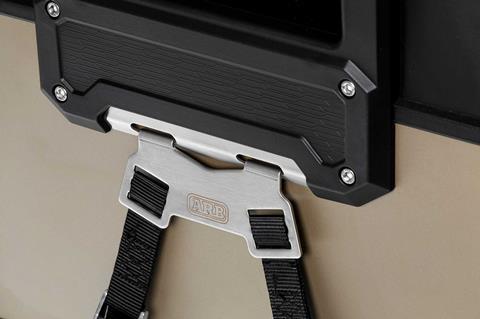
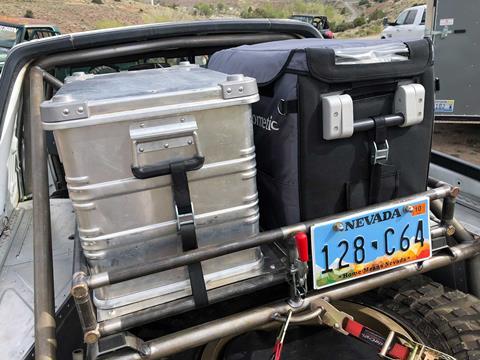
Tie-down kits securely anchor the fridge during rough off-road travel, while dedicated wiring kits allow you to install a permanent 12-volt outlet in your cargo area so your fridge remains powered even when the engine is off.
One of our favorite upgrades is a fridge slide, which allows the refrigerator to extend out of the cargo area for easier access.
A quality fridge slide also provides a secure mounting platform that keeps the refrigerator firmly in place over rough terrain.
Is A 12-Volt Fridge Worth It? Final Thoughts
For many overlanders, a 12-volt overland fridge quickly becomes one of the most-used pieces of equipment they own.
Beyond eliminating the need for ice, it keeps food fresher, reduces waste, and makes everything from grocery shopping to multi-day backcountry travel significantly more convenient.
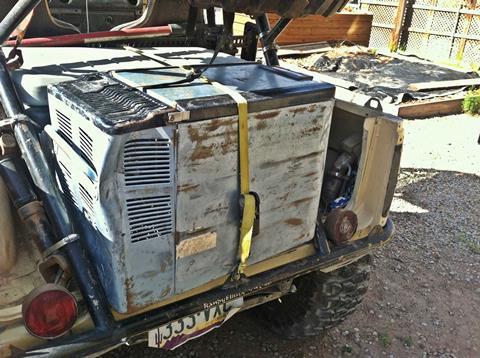
Before buying, take careful measurements inside your vehicle, compare power consumption and available features, and consider which accessories—such as a transit bag or fridge slide—best suit your travel style.
Choosing the right fridge from the start will help avoid buyer’s remorse and keep your food, drinks, and adventures cool no matter where the trail leads.
Access More Great Stories!
This article originally appeared in OVR Issue 13. For more informative articles like this, consider subscribing to OVR Magazine in print or digital versions here. You can also find the print edition of OVR at your local newsstand by using our Magazine Finder.






1 Reader's comment