




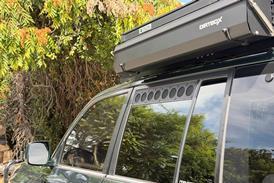







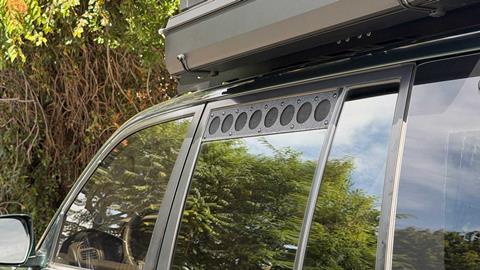
Visual Autowerks’ vehicle-specific window vents slide into the factory track of a 100 Series Land Cruiser without tools, providing cross-ventilation and insect protection for in-cabin sleeping setups — and they come out just as easily when camp is done.
Visual Autowerks Window Vents add useful ventilation to our Land Cruiser’s sleep-in setup while helping keep insects outside.
When we began setting up our 100 Series Toyota Land Cruiser for sleeping inside, airflow was one of the remaining problems to solve.
Cracking the windows helped release heat and moisture, but it also created an easy entry point for mosquitoes and other insects. The Visual Autowerks Window Vents offered a straightforward solution.
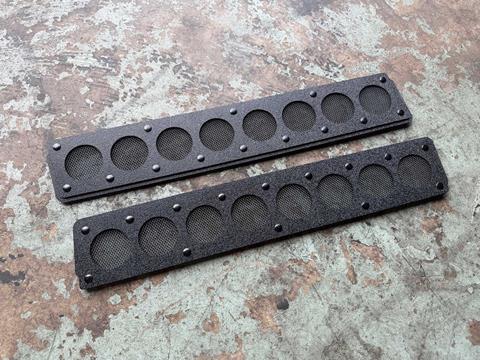
Visual Autowerks produces removable window vents for a wide range of vehicles. The model tested here is designed for the rear passenger-door windows of the 1998–2007 Toyota Land Cruiser 100 Series and Lexus LX470. They are sold as a pair, with one vent for each side of the vehicle.
Simple, Vehicle-Specific Fit
Each vent slides into the factory upper window track, with the window raised into a channel along the bottom of the panel. No drilling, adhesives or permanent vehicle modifications are required.
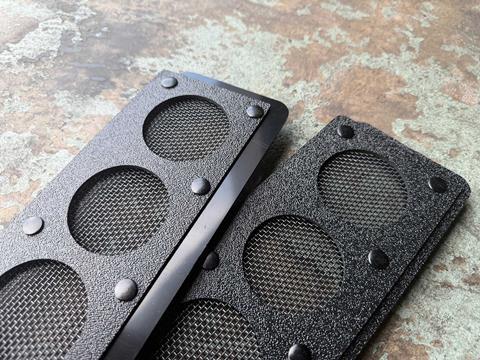
Because the windows hold the vents in place, the installation can also be reversed in a matter of seconds.
Fitment in our Land Cruiser was very good. Once installed, the panels sat securely within the window openings without noticeable gaps or looseness.
They did not feel as though they would easily shift or pop out, although we treat them primarily as a camping accessory and remove them before driving.
The vents are also compatible with many stick-on and in-channel rain guards, although Visual Autowerks notes that compatibility can vary between different brands and designs.
Airflow Without the Insects
After approximately a month of use, the vents have done what we wanted them to do. They allow outside air to move through the cabin while their mesh inserts help keep mosquitoes, moths and other unwanted visitors outside.
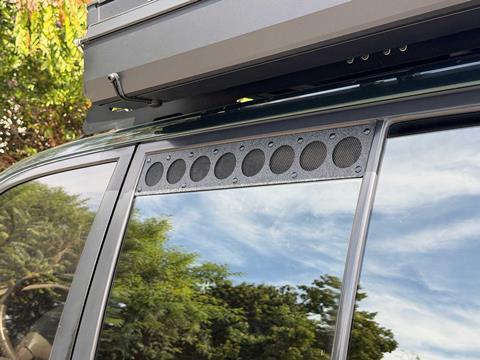
Opening both rear windows also allows for cross-ventilation, which is particularly useful when spending the night inside the vehicle.
The amount of airflow will naturally depend on wind and surrounding conditions, but the vents make it possible to leave a substantial portion of each window opening uncovered without leaving a direct path into the cabin.
For our Land Cruiser, they became the missing piece in an in-cabin sleeping arrangement that already included a platform, refrigerator, lighting and auxiliary power.
Durable, but Not a Security Device
The vent bodies are made from ABS plastic, which keeps them relatively light while appearing durable enough for repeated installation and removal.
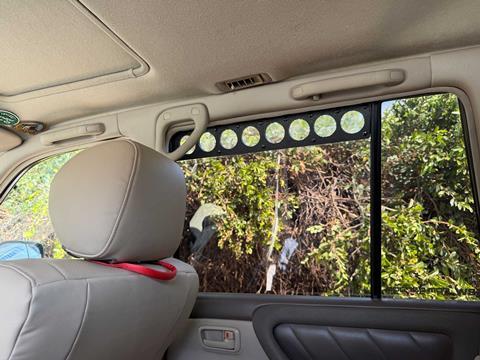
Our optional mesh inserts are also plastic and permanently attached to the panels. Everything has held up well during our first month, and the vents appear capable of providing years of service with reasonable care.
It is important, however, to understand what these panels are intended to do. They provide ventilation and help keep insects out, but they do not turn an open window into a secure enclosure.
Someone determined to enter the vehicle could break or bypass the plastic panel and mesh without much difficulty.
For that reason, we would not leave the Land Cruiser unattended for an extended period with the vents installed, especially if valuables were visible inside.
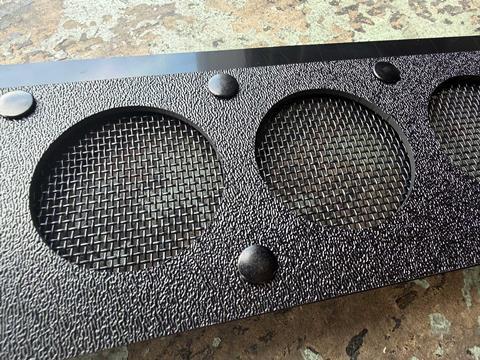
They are best viewed as removable camping equipment rather than an anti-theft accessory.
The Verdict
Visual Autowerks’ Window Vents solve a simple but important problem for anyone who sleeps inside a vehicle.
They fit our 100 Series Land Cruiser well, install without tools and provide ventilation while helping keep insects outside. They can also be removed quickly when it is time to close the windows normally.
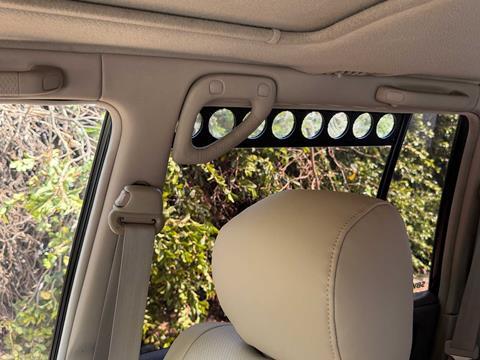
The plastic construction means they should not be mistaken for security panels, but that is not their intended purpose. As part of our Land Cruiser’s sleep-in setup, they have proven useful enough that we expect to carry them on future trips.
Installation
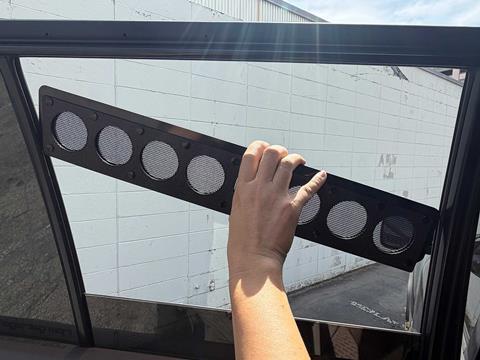
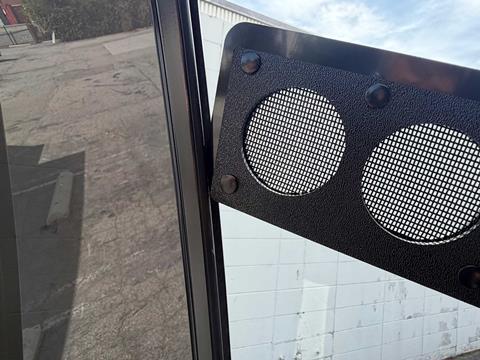
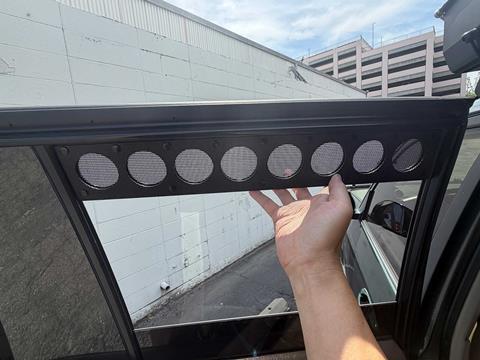
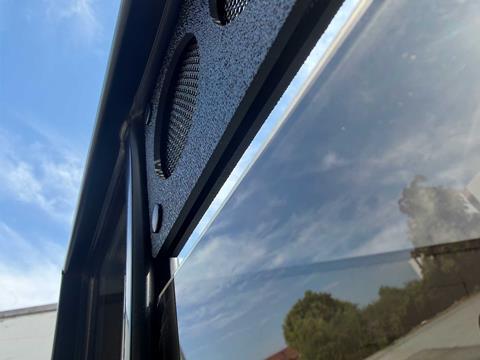
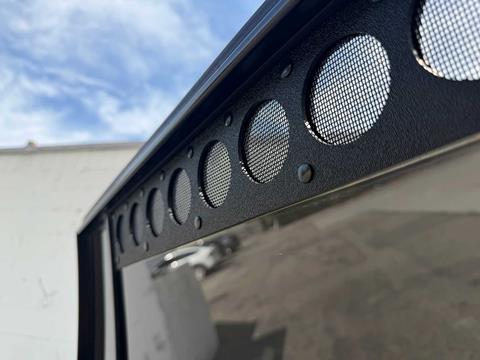

To remove the vent, lower the window, angle the panel downward and pull it free from the upper track. The factory window cannot close completely while the vent is installed.
Visual Autowerks advises owners with aftermarket window tint to use additional care because the vent or lower channel may contact the glass and tint film during installation, use and removal.
Be sure to follow the manual that comes with Visual Autowerks window vents for full installation and care instructions.
Visual Autowerks 1998–2007 Toyota Land Cruiser 100 Series / Lexus LX470 Rear Window Vents (J100)
Access More Great Stories!
For more informative articles like this, consider subscribing to OVR Magazine in print or digital versions here. You can also find the print edition of OVR at your local newsstand by using our Magazine Finder.




No comments yet