

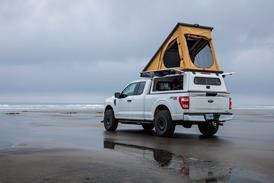


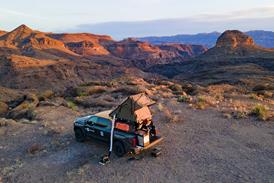
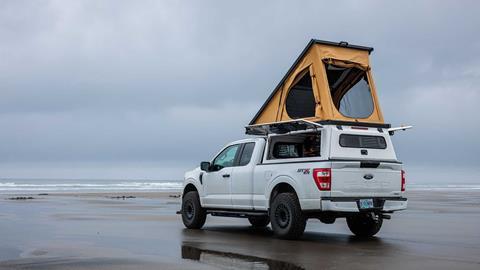
The Super Pacific X1 blends aerospace-inspired engineering with real-world versatility. We put it to the test at Fort Stevens State Park on the Oregon Coast — and the Pacific Northwest did its best to push back.
Mission Ready: Exploring the Oregon Coast With Super Pacific
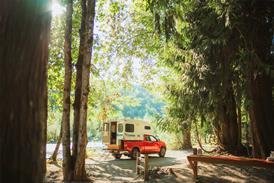
Rain tapped against the tent above my truck, the picnic table outside and the dirt around our campsite. It was the kind of morning that made staying in bed easy. Then I heard a commotion nearby.
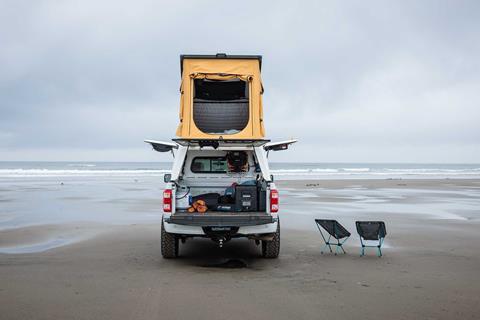
I cracked open the tent door and watched our neighbor wrestle a soaked ground tent and sleeping bag into a ball, shove the whole mess into the back of his truck and drive away.
I felt for him. A wet morning can turn a pleasant camping trip into a miserable pack-up, and the Oregon Coast has a way of testing whatever shelter you bring.
From inside the Super Pacific X1 Camper, I was warm, dry and in no hurry to leave. That contrast stayed with me through the rest of our trip.
A Truck Topper With a Place to Sleep
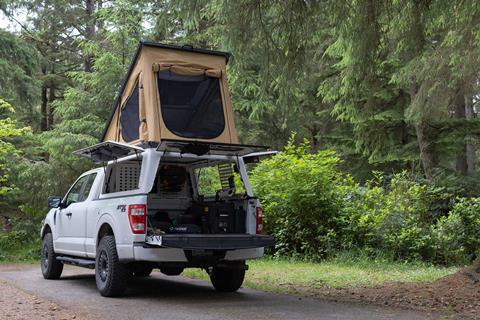
Based in Portland, Oregon, Super Pacific builds the X1 around a useful idea: keep the enclosed storage and access of a truck topper, then add a sleeping loft that opens above the bed.
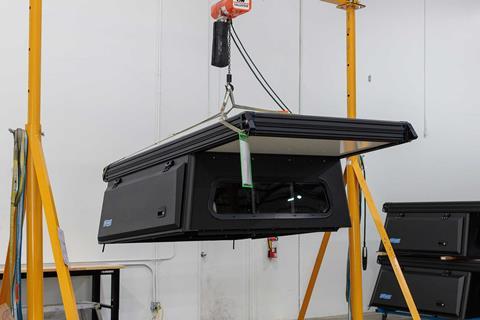
The result preserves much of the truck bed for gear while giving two people a dedicated place to sleep. It also avoids the routine of finding level ground and pitching a separate tent after a long day on the road.
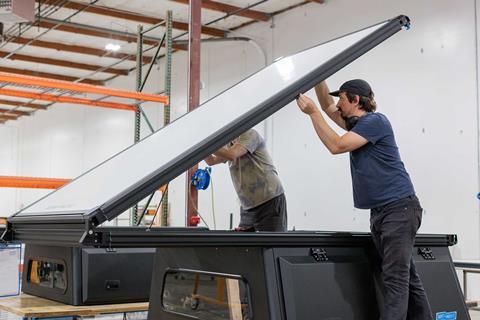
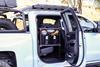
The camper’s aluminum structure, riveted construction and wide-opening canopy doors give it a purposeful feel.
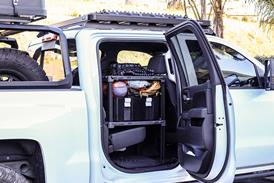
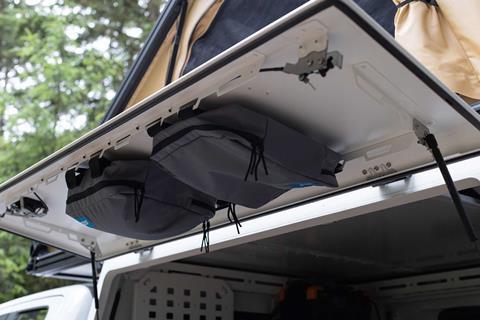
The doors lift on struts, making it easy to reach gear from the sides of the truck, and lock when camp is packed up.
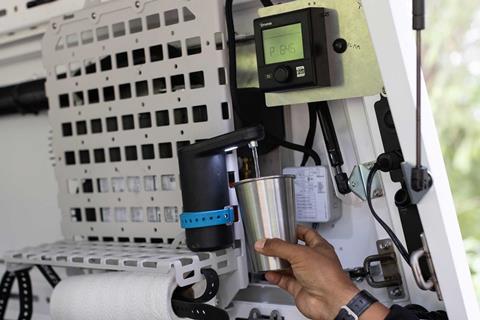
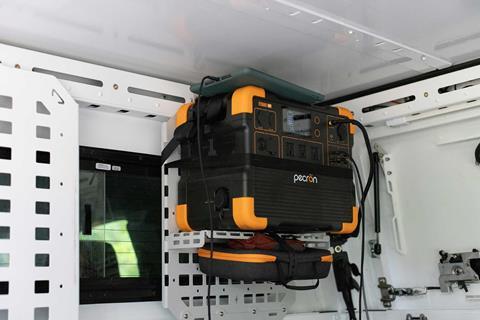
MOLLE panels and optional storage bags can help organize smaller items. Super Pacific also offers choices in canopy and tent colors, along with accessories that let owners tailor the setup to how they travel.
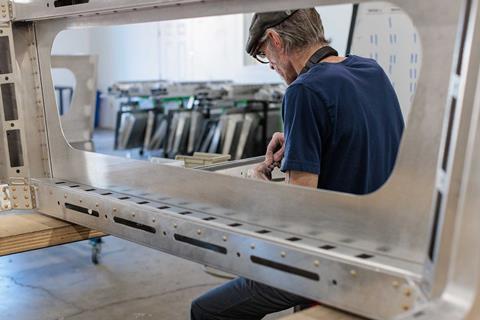
Our visit to the company’s Portland headquarters offered a look at where the campers are built and installed.
With the coast a short trip away, we had a fitting place to see how the X1 worked beyond the showroom.
Fort Stevens and a Change in the Forecast
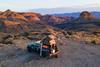
We drove through evergreen forests to Fort Stevens State Park, near the mouth of the Columbia River. The park gave us a base for exploring the coast, including the old military fort and the remains of the Peter Iredale shipwreck on the beach.
We spent part of the afternoon there, enjoying lunch on the sand and the salt air while the weather held.
It did not hold for long. Rain moved in while we were out, and we packed up and headed toward Astoria before returning to camp.
That stop became part of the pleasure of the trip: we could spend the day along the coast without treating every change in the weather as the end of our plans.
Setting Up the X1 Camper
Back at the campsite, opening the X1 took only a short time. Once the roof was raised, we opened the canopy doors for easier access to the truck bed and a better view of camp.
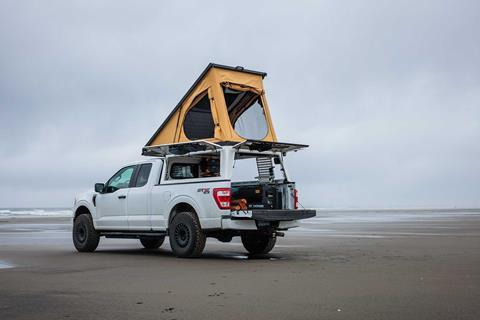
The arrangement feels especially practical when conditions change quickly: there is no separate tent to stake out or wet ground cloth to manage.
The open layout also made it easier to find our gear. Instead of unloading the bed to get at one buried item, we could reach in through the side doors. When daylight faded, the camper’s installed lighting was convenient.
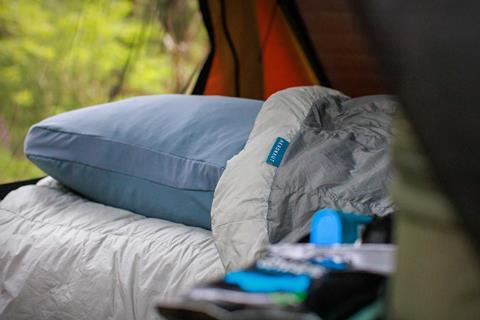
The optional ThermaPuff insulation kit on our camper added a layer inside the tent as the evening cooled. Those details matter more after a full day outside than they might during a quick walk around a showroom.
X1 Features We Used
- Sleeping loft: A raised space for two adults, with room beside the mattress for a duffel bag and small essentials.
- Three screened tent openings: Views and airflow from multiple sides, with fabric covers when the weather turns.
- FlowState vents: Adjustable ventilation intended to help manage moisture inside the tent.
- Wide-opening canopy doors: Side access to the truck bed, with locking doors and space for modular storage.
- Optional ThermaPuff insulation: An interior liner fitted to our camper for cooler nights.
Super Pacific X1 Image Gallery
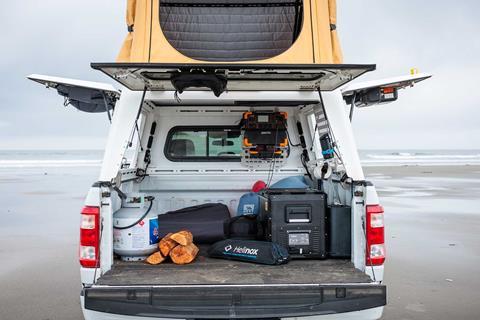
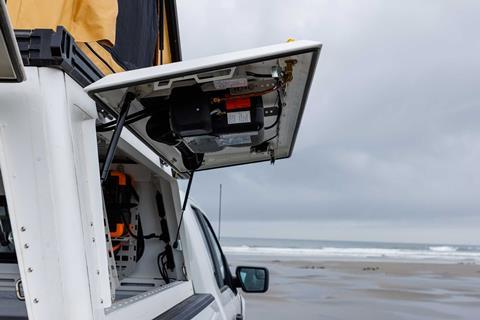
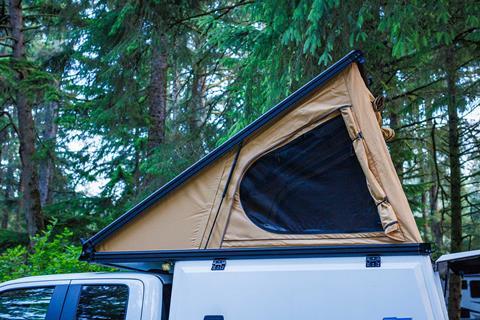
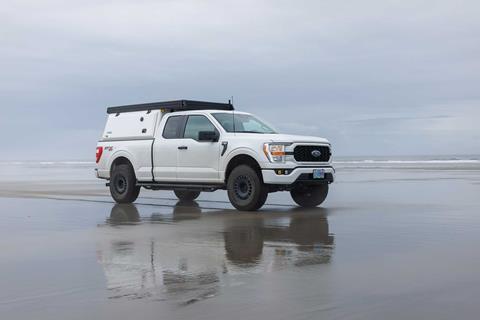
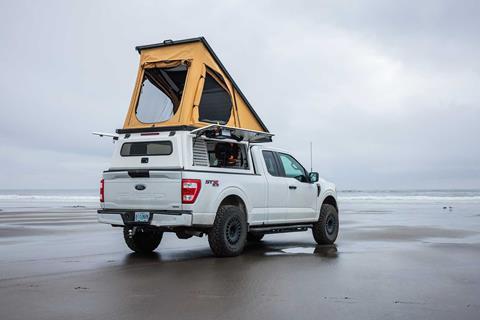
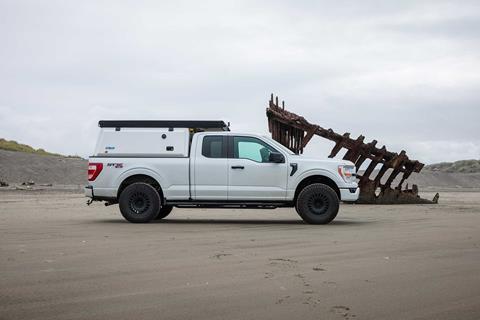
The tent’s 9-ounce marine-grade fabric felt substantial, and the three screened openings made the loft feel more connected to the campsite than its compact footprint suggests.
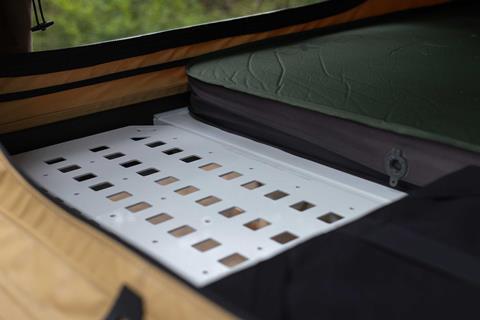
Super Pacific’s FlowState vents are designed to move air through the tent and help limit condensation. We appreciated the ability to manage airflow, though a single trip cannot tell us how the system will perform in every season.
Inside, there was enough room for two adults without feeling that every loose item had to be sent back down into the truck. The extra space beside the mattress held things we wanted close at hand.
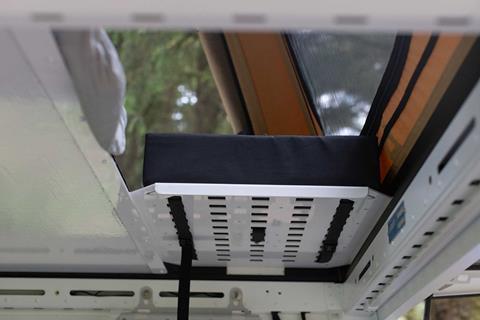
Our Exped MegaMat Duo let us adjust the firmness to our liking, and I slept comfortably through the rain. Travelers bringing additional people could also use the truck bed as sleeping space if they outfit it for that purpose.
After a Rainy Night on the Oregon Coast
The X1 asks more of a buyer’s budget than a conventional topper or a basic rooftop tent. Its appeal became clearer once we used the storage access, sleeping loft and quick setup together.
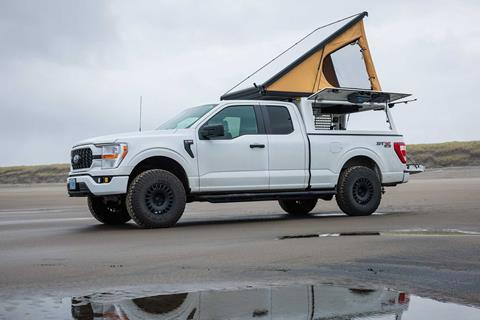
On this trip, each part supported the others: we could get to gear without tearing camp apart, settle in quickly after exploring and wake up above the wet ground.
That does not mean our neighbor’s rough morning proves one camping setup is right for everyone. It did show me what I value in a truck camper when the forecast changes overnight.
The Super Pacific X1 Camper made our Oregon Coast trip easier to enjoy, rain included.
Super Pacific X1 Camper
Access More Great Stories!
This article originally appeared in OVR Issue 13. For more informative articles like this, consider subscribing to OVR Magazine in print or digital versions here. You can also find the print edition of OVR at your local newsstand by using our Magazine Finder.

No comments yet